Stop 06 · Field Guides Interview Prep
What to Wear to a Job Interview in 2026
Dress one step above the room, start with polished shoes and a belt that matches, and you can stop thinking about clothes before you sit down.
By Sam Whitaker, Field Guides Editor
· 6 min read · 1,423 words

For my first real interview I wore a black suit bought for a funeral and the brown work boots I wore everywhere else, because they were the only shoes I owned that didn’t hurt. The boots were scuffed at the toe and laced with a knot I’d tied sometime in March. The woman across the table was kind, and I watched her eyes drop to my feet twice in forty minutes.
I didn’t get the job, and I’ll never know if the boots were why. Since then I’ve planned what to wear to a job interview from the floor up, and I no longer lie awake about it the night before.
It comes down to one rule: dress one step more formally than the people who already work there. For most office jobs that means a navy or charcoal suit, or at least a jacket and trousers, with a plain shirt and dark leather shoes that match your belt. If you can’t find out how the office dresses, wear the suit and keep the tie in your jacket pocket until you’ve seen the lobby.
Dress one step above the room
The step-up rule works because it shows effort without suggesting you misread the company. If the team wears hoodies, a hoodie says you didn’t think about it, and a three-piece suit says you didn’t look. A jacket over an oxford shirt with dark trousers says you did both.
Finding out what the room looks like takes ten minutes. Look at team photos on the company’s careers page and any recent event pictures, and pay attention to people at the level you’re applying for rather than the founders on a stage. If a recruiter set up the interview, ask them directly. It’s a normal question and they’ve heard it plenty of times this year. And if the listing says business casual, my guide to business casual without the khakis shows what that phrase means once you’re actually working there.
| If the office wears | Wear to the interview | Shoes |
|---|---|---|
| Suits daily (law, finance, government) | Navy or charcoal suit, tie | Black cap-toe oxford |
| Business casual | Suit, tie optional | Dark brown oxford |
| Chinos, jackets optional | Odd jacket, dark trousers | Brown oxford or suede chukka |
| T-shirts and sneakers | Jacket, oxford shirt, dark chinos | Clean leather sneaker or chukka |
| Trades or hospitality | Pressed chinos, collared shirt | Polished leather lace-up |
Two notes on that table. Navy and charcoal look calm under office light, and they hide a coffee drip. And the bottom row is no invitation to dress down: a pressed collared shirt at a kitchen or job-site interview reads as respect to the person who’ll be your manager.
What to wear to a job interview starts with the shoes
Interviewers notice shoes for an unglamorous reason. The walk from reception to the meeting room takes about a minute, there’s nothing to talk about yet, and so people look at you. Top to bottom, usually.
For the top two rows of that table, the shoe I’d buy is the Allen Edmonds Park Avenue at $425, in black or dark brown. It’s a Goodyear-welted calfskin cap-toe oxford with closed lacing, so it sits slim under a suit hem with no gap where the laces open. When the sole wears out, the maker will recraft it, which matters if this is the pair that carries you through the next ten years of interviews and promotions. It’s also the black oxford I recommend for black tie optional weddings, so it won’t sit idle between job hunts.
Know what you’re buying, though. It’s too formal for jeans or chinos, so if your row of the table ends in sneakers or chukkas, the Park Avenue will look like you came from a different appointment. And the leather sole is slick on wet pavement for the first few weeks. I learned that crossing a granite lobby in October rain, folder in one hand, doing a small involuntary skate toward the security desk. Wear new soles on dry sidewalks five or six times before the interview, or ask a cobbler to scuff them for a few dollars.
If $425 isn’t in reach right now, don’t stretch for it the week before an interview. A plain dark brown leather oxford in the $150–$250 range, polished the night before, is fine for every row except the top one.
The belt is the second thing they see
Belts get forgotten until you’re dressed and standing at the mirror. Match the leather color of the belt to the shoes and keep the buckle plain. There’s more give in that rule than people think, and I’ve written about matching your belt to your shoes, but an interview isn’t the day to test the edges.
The Tanner Goods Standard Belt, at $135, is the belt I’d wear to any interview that doesn’t call for a suit. It’s a single layer of thick vegetable-tanned leather with a solid brass buckle, and it darkens and softens over years of daily wear. With a jacket, an oxford shirt and dark chinos, it looks like you own good things and look after them.
It has two limits on interview day. At 1.5 inches wide it’s too broad for most suit-trouser loops, which are cut for belts around 1.25 inches, so leave it home on suit days and wear a slimmer dress belt. And it starts stiff. A new one stands off your waist in a small arc for the first week or two, so buy it a month ahead and wear it daily. By the interview it’ll lie flat.
Nobody has lost an offer for wearing a tie they could take off in the elevator.
A $500 suit that fits beats a $1,500 one that doesn’t
Interviewers can see fit from across the room even if they couldn’t name what’s wrong. Start at the shoulders. The seam should end where your shoulder bone ends, with no divot below it and no overhang, and that’s the one fit a tailor can’t fix, so it’s the one you buy for. Sleeves should show a quarter to a half inch of shirt cuff. Trousers should touch the top of the shoe with a slight break or none.
Hem and sleeves together run about $40–$80 at most tailors, and they need anywhere from a few days to a week. Book it the day the interview is scheduled. If the timing is too tight, get the trousers hemmed and leave the sleeves; trousers pooling over your shoes look worse than a sleeve a half inch long.
For the shirt, white or pale blue, ironed, with a collar that closes without pulling. I used to think a tie had to be bold to be memorable. I was wrong about that. They should remember you, and a quiet navy or burgundy tie stays out of the way.
Video interviews ask less of you below the desk and more above it. Wear the full shirt and jacket, set the camera at eye level, and sit in front of a plain wall. I’d still wear real trousers. At some point you’ll have to stand up to grab a charger.
The night before, in order
- Lay everything out, shoes first, and check that the belt matches them.
- Polish the shoes and leave them on trees overnight so the cream sets.
- Iron the shirt and hang it on the closet door, not back in the closet.
- Pack a folder with two printed copies of your résumé and a pen.
- Plan to arrive 10–15 minutes early, and use the restroom mirror to check your collar.
A structured bag keeps that folder flat on the train, and if you’re shopping for one anyway, a work bag that lasts a decade is worth the extra money over a backpack. If you get the job, the second week is a different and nicer problem. For now, plan for the hour in the room. There are more occasion guides like this one in Field Guides for the wedding or funeral that might land on the same month.
The verdict: Dress one step above the office. For suit-and-tie workplaces, wear a navy suit with the Allen Edmonds Park Avenue at $425, broken in on dry pavement, and a slim dress belt; everywhere else, wear an odd jacket with dark chinos, polished brown leather shoes and the Tanner Goods Standard Belt at $135, bought a month early so it has softened by the day. If you truly can’t find out the dress code, wear the suit and carry the tie.
In this story
How we make money: some links below are affiliate links. If you buy through them, Via may earn a commission. It never changes the price you pay, and it never decides what we recommend. Full disclosure.
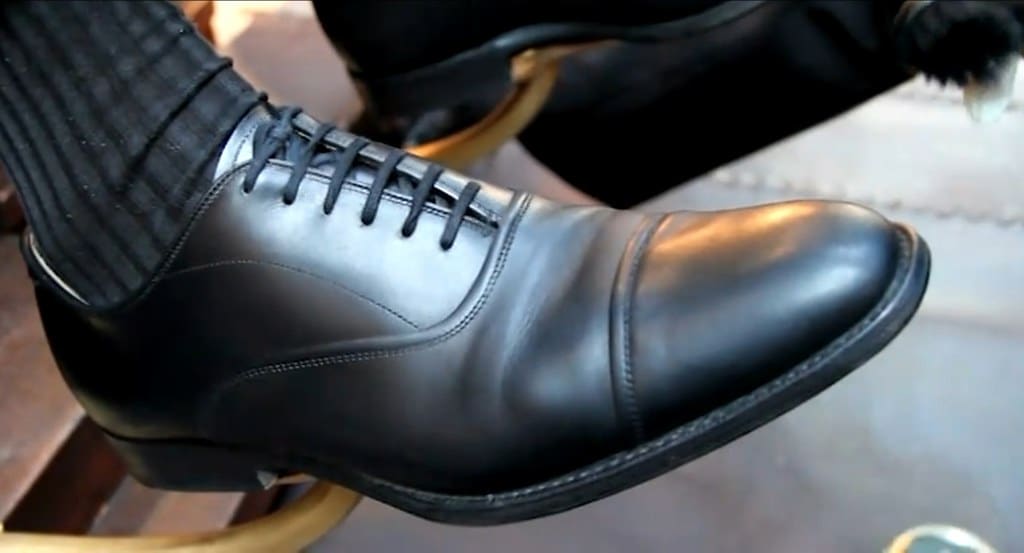
Investment · $300+
Allen Edmonds Park Avenue Cap-Toe Oxford
A Goodyear-welted calfskin cap-toe oxford with a closed lacing that sits clean under suit trousers and can be recrafted by the maker when the sole is done.
Won't do: Too formal for jeans or chinos, and the leather sole is slick on wet pavement for the first few weeks.
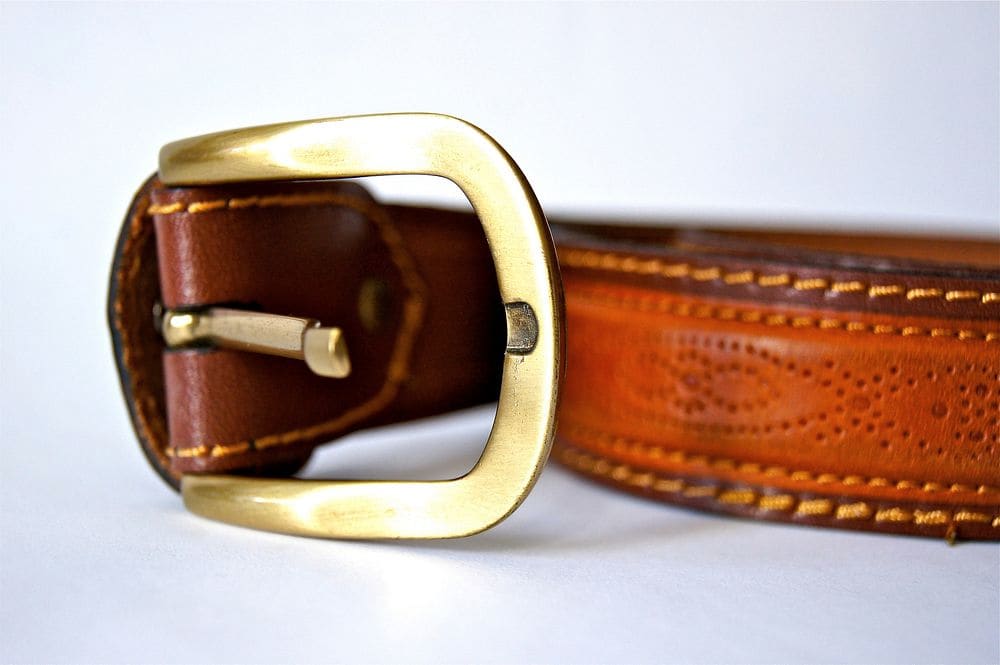
Mid · $100–$299
Tanner Goods Standard Belt
A single layer of thick vegetable-tanned leather with a solid brass buckle, built to darken and soften over years of daily wear.
Won't do: At 1.5 inches wide it is too broad for most suit-trouser loops, and it starts stiff.
Next stops
All Field Guides guides
Wedding Guest Dress Codes, Decoded for Men
From black tie to beach, here is what each line on the invitation actually asks of you, planned the Via way: shoes first, then everything above them.
Sam Whitaker 9 min

Business Casual Without the Khaki Default
Two pairs of shoes, trousers in any color but tan, and a top half that does the rest: a business casual week that doesn't look like everyone else's.
Sam Whitaker 5 min
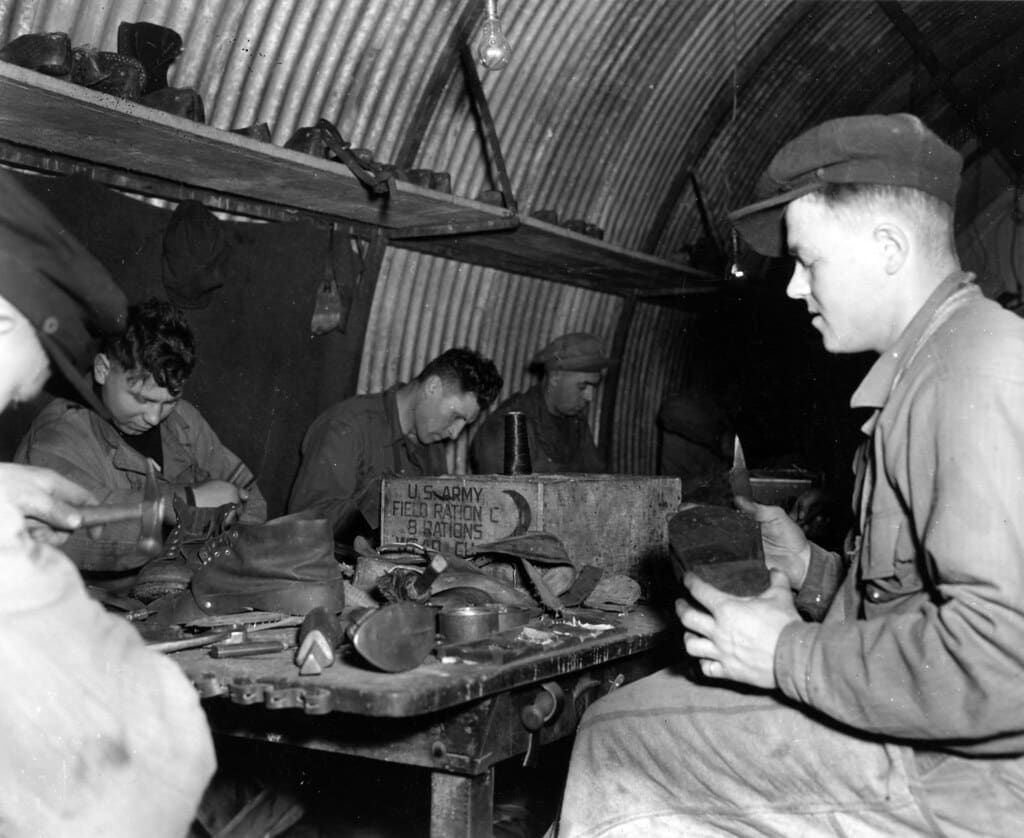
Goodyear Welting, Explained: What You're Actually Paying For
A welt is a strip of leather and two rows of stitching, and understanding it can save you hundreds of dollars over ten years of wear.
Marcus Hale 6 min