Stop 04 · Accessories Style Rules
Do Your Belt and Shoes Have to Match?
With a suit, match them closely; with jeans, the rule loosens. It follows the trousers, and two belts are enough to cover it.
By Theo Lindqvist, Accessories Editor
· 6 min read · 1,252 words
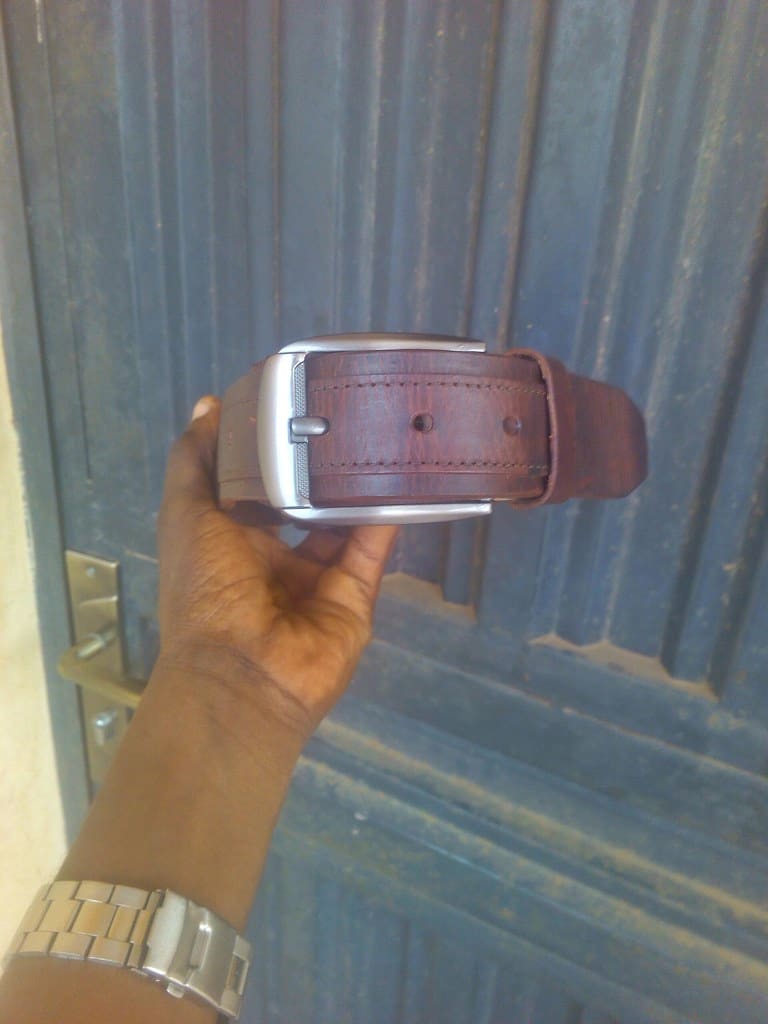
Some version of the same question reaches me every month. Brown shoes, black belt, wedding on Saturday: is that a problem? I used to answer with a rule. Now I answer by asking about the trousers.
Matching belt and shoes is a tailoring rule. With a suit or dress trousers, the belt should sit in the same color family as the shoes and within a shade or two of them, black with black and dark brown with dark brown. With jeans and chinos it relaxes to the same family and a similar level of formality, and with sneakers it barely applies.
The reason is contrast, and it’s easier to see than to explain. A belt is a 1.25-inch horizontal stripe across the middle of your body. Shoes are the two darkest, shiniest objects at the bottom. In a suit, the eye reads you as one column of cloth, and the belt and shoes are the only leather interrupting it. If they disagree, the column breaks twice.
Matching belt and shoes is a suit rule
In a suit, I match closely. Black cap-toes get a black calf belt, and dark brown oxfords get a dark brown one. Burgundy shoes take burgundy or a very dark brown. Close means within a shade or two in a mirror at arm’s length, not an exact dye-lot match, which you’ll never get from two different makers anyway.
The shoe I’d build that around is the Allen Edmonds Park Avenue cap-toe oxford at $425: Goodyear-welted calfskin with closed lacing that sits clean under suit trousers, and the maker will recraft it when the sole is done. It has limits. It’s too formal for jeans or chinos, and the leather sole is slick on wet pavement for the first few weeks. I’d wear it with a suit or flannel trousers and nothing more casual, and I’d scuff the soles on a dry sidewalk before the first rainy commute.
Matching the shoe to the suit is its own question, and the short version is darker shoes for darker suits; pairing shoes with suit colors goes through each one. Once the shoe is chosen, the belt follows it. Never the other way around.
| Shoe | Belt that works | Belt to avoid |
|---|---|---|
| Black cap-toe oxford | Black calf, 1.125–1.25 in | Any brown |
| Dark brown calf derby | Dark brown calf or suede | Black, tan |
| Tan or mid-brown loafer | Tan to mid-brown leather | Black |
| Brown suede chukka | Brown suede or oiled leather | Shiny black |
| Burgundy oxford | Burgundy or very dark brown | Tan |
| White leather sneaker | Any brown, or canvas | Patent black |
Finish matters as much as color
Most of the clashes I notice aren’t about color at all. A mirror-polished black oxford next to a pebbled matte black belt reads as two different blacks. A rough suede chukka beside a glossy bridle belt makes the belt look like plastic.
So match finish loosely too: smooth with smooth, textured with textured. Suede shoes look best with a suede belt or an oiled matte leather, and suede is a better everyday material than its reputation suggests, since suede that isn’t fragile mostly comes down to a brush and a spray. Patent and high-shine finishes are the hardest to partner. I own none.
The buckle counts as finish. With a suit, keep it simple and flat, and in the same metal as your watch case if you can manage it, silver tone with steel and brass with gold. A leather watch strap is a third piece of leather in the outfit and should sit in the same family, which is one reason I like steel and nylon watch straps for anything casual.
A belt is a stripe across the middle of you, and it should look like it came from the same shop as your shoes.
Casual clothes loosen the rule
With jeans and chinos, formality matters more than shade. A thick vegetable-tanned belt in natural tan looks right with dark brown boots because both are workwear. A thin, shiny dress belt with the same boots looks wrong in any color, because it belongs to a different kind of outfit.
Sneakers are where the rule disappears. White leather sneakers go with almost any brown belt, or with canvas and webbing. What you need to get right with sneakers is the hem, and hemming chinos for sneakers matters far more to how the outfit reads than anything at your waist.
I’ll admit to a rule I break. I wear a black belt with dark brown boots in winter, because the belt and my charcoal jeans are nearly the same color and the belt disappears into them. If the trousers are dark enough to swallow the belt, the shoes don’t have to agree with it. I wouldn’t try the same thing with a suit, and I didn’t get away with it the one time I did.
The awkward colors, and the night you skip the belt
Some shoes don’t fit the black-or-brown scheme. Gray suede has no natural partner in leather, so I’d skip matching entirely and wear a dark brown or navy suede belt that sits back. Navy leather shoes are rare and best treated as black. Oxblood, the deep red-brown, is easier than it looks: a dark brown belt within a shade reads as a match from 6 feet away, which is the distance anyone will see it from.
Woven and braided leather belts are a summer exception. Their texture breaks up the stripe, so the color can drift further from the shoe, and a tan braid with dark brown loafers looks fine with linen trousers in July.
Then there’s black tie, where matching belt and shoes stops being a question because you wear no belt at all. Dinner trousers have side adjusters or take braces, and a belt buckle under a dinner jacket shows as a bump at the waist. If your evening trousers have belt loops, a tailor can remove them and close the gaps for about $20.
Two belts cover most shoes
A one-belt wardrobe forces a compromise. Two belts solve it. The first is a 1.25-inch dark brown calf belt for tailored trousers, which works with dark brown and burgundy shoes and passes with black at a distance. If you wear black shoes with suits more than once a month, make that first belt black instead. The second is a 1.5-inch tan or medium brown vegetable-tanned belt for jeans and chinos.
For the second, I like the Tanner Goods Standard Belt at $135, a single layer of thick vegetable-tanned leather with a solid brass buckle that darkens and softens over the years. Its limitations are the reason it’s the second belt and not the only one. At 1.5 inches wide it’s too broad for most suit-trouser loops, and it starts stiff. As it ages it darkens from tan toward mid-brown, which moves it closer to more of your casual shoes every year.
Getting the length right matters more than either color, and measuring for the right belt size takes a tape measure and a belt you already own. If you’re still building out the rest, our accessories guides cover wallets, bags and ties by the same logic.
The verdict: With suits and dress trousers, match your belt to your shoes within a shade or two and in finish; with anything casual, match formality instead of color. Own a 1.25-inch dark calf belt for tailoring and a 1.5-inch vegetable-tanned belt like the Tanner Goods Standard for jeans and chinos, and you can stop thinking about it.
In this story
How we make money: some links below are affiliate links. If you buy through them, Via may earn a commission. It never changes the price you pay, and it never decides what we recommend. Full disclosure.
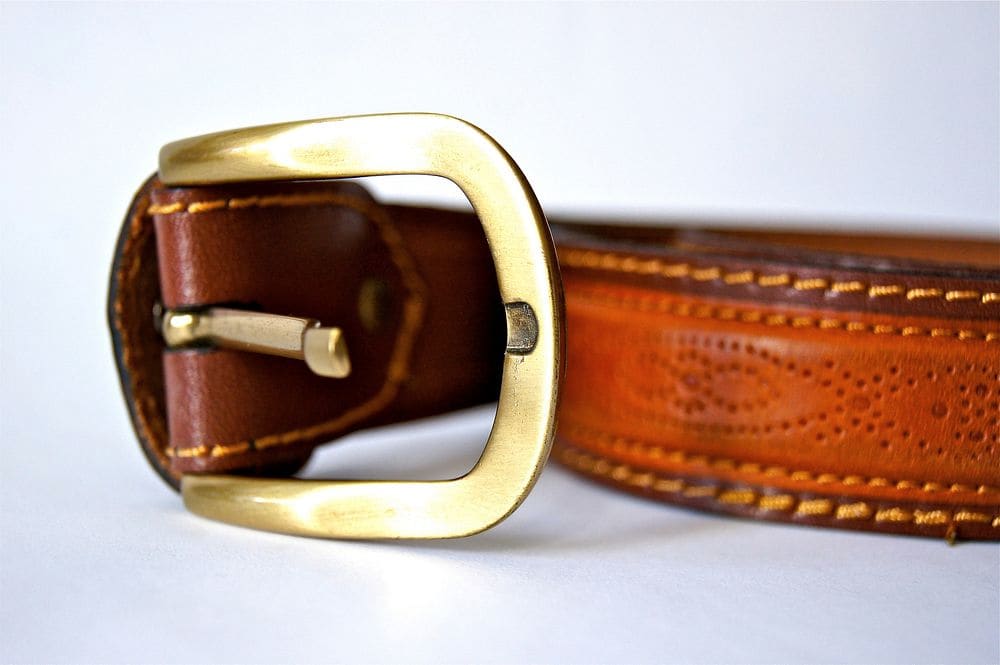
Mid · $100–$299
Tanner Goods Standard Belt
A single layer of thick vegetable-tanned leather with a solid brass buckle, built to darken and soften over years of daily wear.
Won't do: At 1.5 inches wide it is too broad for most suit-trouser loops, and it starts stiff.
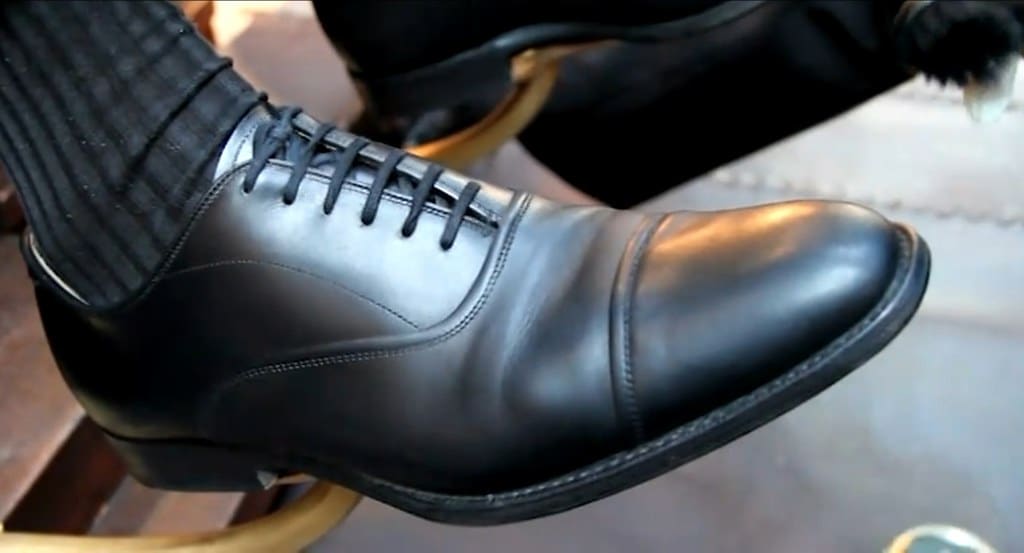
Investment · $300+
Allen Edmonds Park Avenue Cap-Toe Oxford
A Goodyear-welted calfskin cap-toe oxford with a closed lacing that sits clean under suit trousers and can be recrafted by the maker when the sole is done.
Won't do: Too formal for jeans or chinos, and the leather sole is slick on wet pavement for the first few weeks.
Next stops
All Accessories guides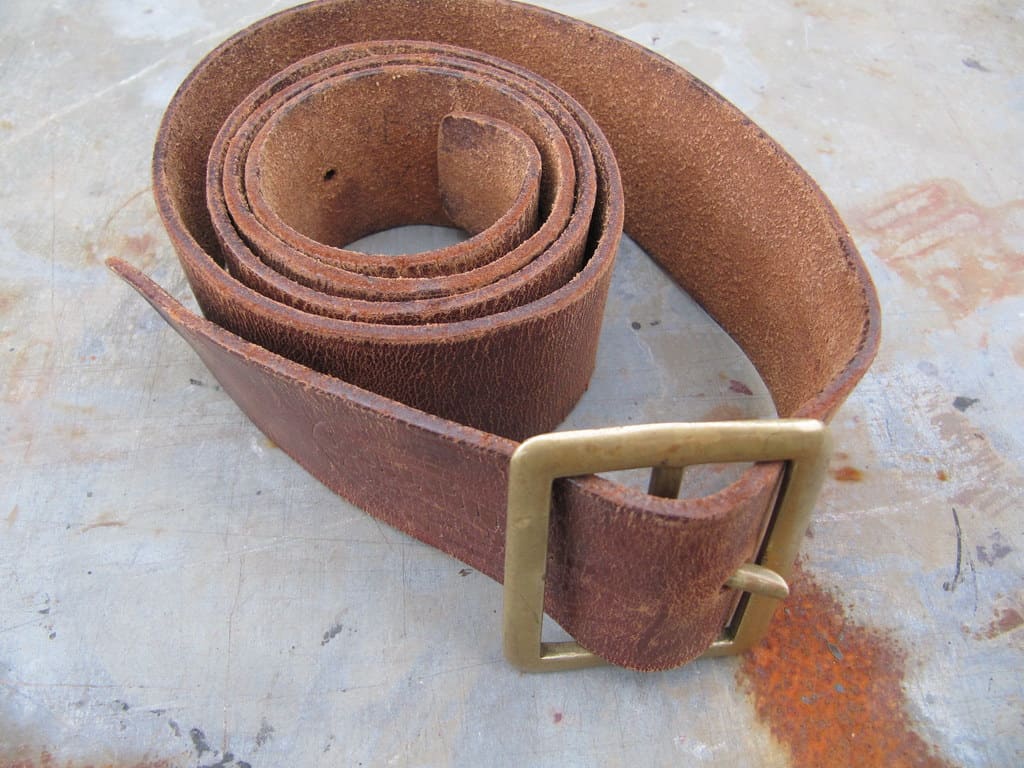
Belt Sizing: Why Your Belt Isn't Your Waist Size
A belt is measured from the buckle fold to the center hole, not around your body, and that one length is the only number worth trusting.
Theo Lindqvist 5 min
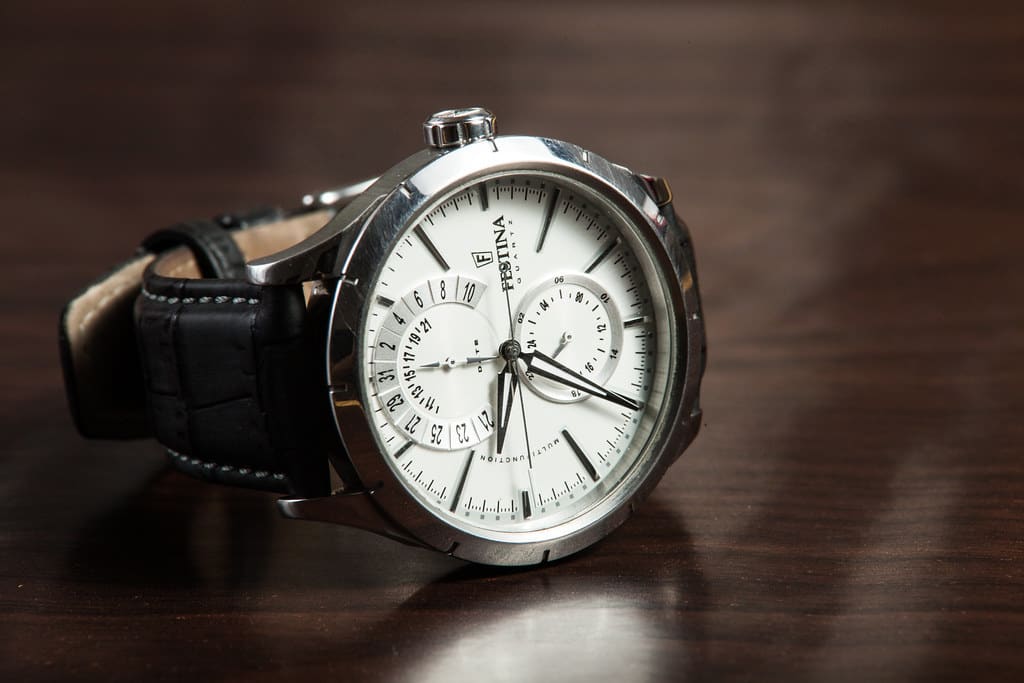
Watch Straps: Leather, Nylon, and Steel for Real Life
One watch can wear several straps, but most men need two at most. Choose them for your wrist and the weather they'll see, not for the dial.
Theo Lindqvist 5 min

Matching Shoes to Suits Without a Color Wheel
Two rules cover nearly every suit you'll own: shoes darker than the suit, and sleeker as the occasion gets more formal.
Julian Okafor 6 min