Stop 01 · Footwear Construction
Goodyear Welting, Explained: What You're Actually Paying For
A welt is a strip of leather and two rows of stitching, and understanding it can save you hundreds of dollars over ten years of wear.
By Marcus Hale, Footwear Editor
· 6 min read · 1,453 words
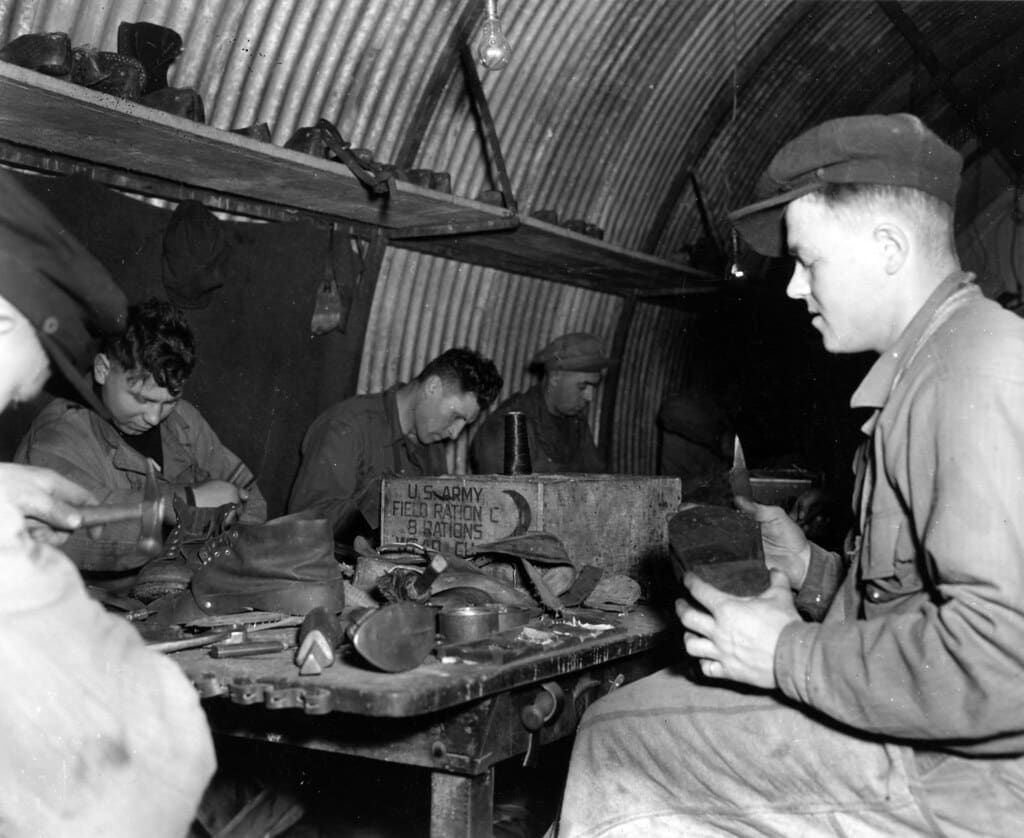
A man came to my counter once holding two black cap-toes, one in each hand. One was $110. The other was $425. He wanted the difference in a sentence, so I flipped both over, ran my thumb along the stitching on the expensive one, and told him he was paying for that seam and what it lets you do in year five. He bought the cheap pair. Eighteen months later he was back with the sole peeling away at the toe, asking if we could fix it. We couldn’t.
The seam he passed on is called a Goodyear welt, and it’s the one construction detail worth understanding before you spend more than $200 on shoes.
The short answer: a Goodyear welt is a strip of leather stitched around the edge of the shoe that joins the upper to the sole, so the sole is sewn to the welt and never directly to the upper. That’s what lets a cobbler cut the old sole off and stitch on a new one. You’re paying for a shoe that can be resoled three or four times and last ten to twenty years.
A Goodyear welt is a strip of leather and two seams
Take the marketing off and the build is simple. A narrow leather strip runs around the shoe’s perimeter. One row of stitching sews that strip to the upper and to a rib on the underside of the insole. A second row, the one you can see along the edge of the sole, sews the strip to the outsole. The upper never touches that outer stitch. When the sole wears out, a cobbler cuts the outer stitch, peels the sole away, and sews a fresh one to the same welt.
Between insole and outsole there’s a cavity, usually packed with ground cork. Over a few hundred wears the cork compresses under your foot and takes its shape. That’s why a welted shoe feels better in month six than in week one, and why the first few weeks are worth gritting through if you break in stiff leather on a sane schedule. You’re building yourself a custom footbed by walking around.
A cemented shoe skips all of that. The upper is glued straight to the sole. It’s lighter, bends easily out of the box, and costs far less to make. It’s also, for practical purposes, disposable. When the sole goes, the shoe goes.
| Construction | Typical price | Resolable? | Realistic lifespan |
|---|---|---|---|
| Cemented | $80–$200 | Rarely | 1–3 years |
| Blake stitched | $200–$400 | Yes, with a specialist | 4–8 years |
| Goodyear welted | $300–$600 | Yes, most good cobblers | 10–20 years |
| Hand-welted | $1,200 and up | Yes | 20+ years |
Blake is in there because people ask. The stitch runs straight through insole and outsole, giving a slimmer shoe that needs a special machine to resole. I dismissed Blake as a shortcut for years. I was wrong.
You’re paying for the second sole
Take a $425 welted shoe and wear it two or three days a week. On city sidewalks a leather sole lasts roughly two to three years at that pace. A full resole at a decent cobbler runs $90 to $150. Most good uppers take two to four resoles before the leather gives up, as long as you condition it and rotate.
Stretch that over ten years. You spend $425 up front and maybe $360 on three resoles, about $785 in total, or $78 a year. The $110 cemented shoe worn the same way lasts eighteen months to two years, so over the same decade you buy five or six pairs: $550 to $660. The gap is smaller than people expect. And the welted pair has molded to your foot while the cheap ones never got the chance.
Nobody ever came back to my counter mad that a pair lasted too long.
The math only works if you actually resole. Wear a welted shoe until cork shows through a hole and the cobbler has to replace the welt too, and the bill passes $200. Learn the signs for when to resole your shoes and go when the sole thins at the ball of the foot. Waiting until your sock meets the street costs you an extra $60 or more.
Six extra ounces on every step
Welted shoes are heavier. A cemented dress shoe in a US 10D weighs around 14 to 16 ounces. A welted one sits closer to 20 to 24. That’s four to eight more ounces per foot, and you’ll feel it the first week.
They’re stiffer, too. The cork bed and a thick leather outsole both resist bending, so the break-in runs two to four weeks of regular wear. Customers used to bring pairs back after two days complaining about the heel. I’d ask how many hours they’d put in. Usually four. Give it twenty before you judge.
Two shoes that show what the stitch is for
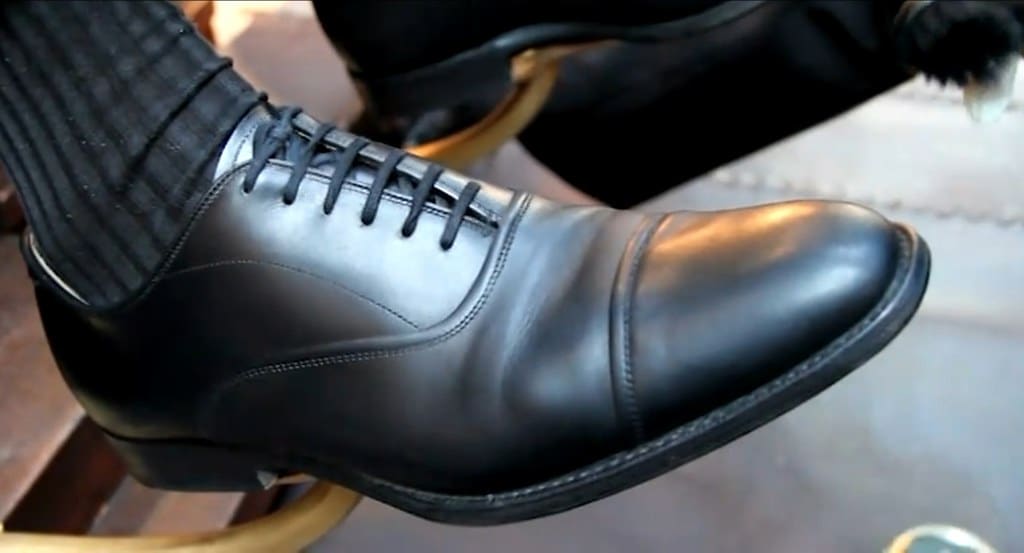
The Allen Edmonds Park Avenue Cap-Toe Oxford, $425, is the cleanest example I know of welting doing its job. Calfskin with closed lacing that sits flat under suit trousers, plus a sole the maker will strip and rebuild through its own recrafting service. That service costs about $150 to $200 plus shipping and sends the shoe back with new cork under a new sole. If you need shoes that go with a suit, this is the default.
It’s a suit shoe and nothing else, though. It’s too formal for jeans or chinos, and it looks like you came from a deposition when you try. The leather sole is also slick on wet pavement for the first few weeks until the bottom scuffs up. If most of your commute happens in the rain, read my take on leather vs. rubber soles before you buy.
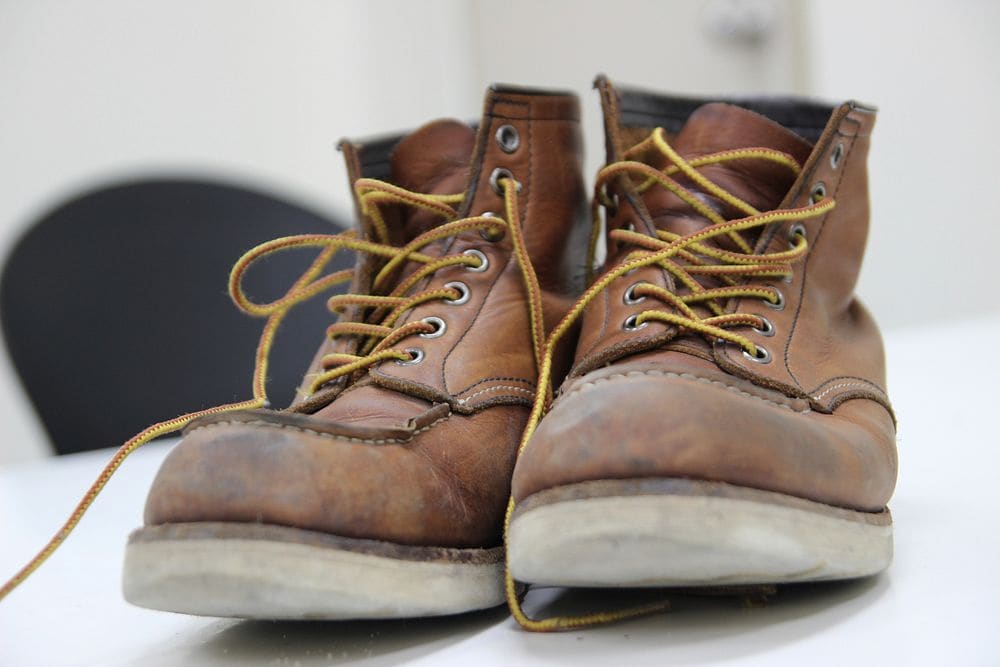
The Red Wing Heritage Iron Ranger 6-Inch Boot, $370, shows the other side: welting as armor. It’s triple-stitched in oil-tanned leather with a double-layer toe cap, and it molds to your foot and resoles for years. It’s also heavy, and stiff for the first month, no way around it. Most wearers size down half a size from their sneakers, and the ones who don’t come back with blisters on both heels.
| Item | Price | What you get | The catch |
|---|---|---|---|
| AE Park Avenue | $425 | Factory recraft | Suits only; slick soles early |
| RW Iron Ranger | $370 | Resolable work boot | Heavy, stiff first month |
| Saphir Renovateur | $30 | Cleans and conditions | No color, no shine |
The upper has to outlive the sole
A resolable sole is worthless under cracked leather. The welt buys you time, and you still have to keep the upper alive long enough to use it.
The routine is short. Brush after every wear and put trees in overnight. Don’t wear the same pair two days running, because leather needs about 24 hours to dry out from the sweat a foot puts into it. Once a month, or whenever the leather looks dull and thirsty, clean and condition.
For that last step I use Saphir Médaille d’Or Renovateur, $30 for 75 ml. It’s a mink-oil cleaner and conditioner that lifts old polish and puts moisture back into smooth leather in one pass, and a bottle lasts me most of a year across four pairs. It adds no color and no shine, so you still need a cream or wax after it. (If you’re fuzzy on cream vs. wax polish, sort that out before buying three tins you don’t need.) Keep it off suede and nubuck; it leaves the nap dark and greasy.
Skip conditioning and the creases dry out and crack. Once a crack goes through the grain, the resolable welt goes in the trash with everything attached to it.
Skip it if you won’t do the upkeep
I’m not telling every man to buy welted. If you destroy uppers (salt-soaked winters with no care routine, a dog with a taste for calfskin) you’ll never reach the first resole. If you wear dress shoes six times a year, a cemented pair will outlive your interest in it.
But if you wear the same kind of shoe three days a week and you’ll give it fifteen minutes a month, welting is the best value on the wall. Not the cheapest. The best value. There are more footwear guides on sizing and soles if you want to go further before you buy.
The verdict: If you wear a shoe more than twice a week, buy it Goodyear welted, size it properly, and budget $30 a year for conditioner and about $120 every two or three years for a resole. For an office that means the Park Avenue at $425; for everything else, the Iron Ranger at $370 sized half down from your sneakers. If you won’t do the upkeep, save the money and buy cemented.
In this story
How we make money: some links below are affiliate links. If you buy through them, Via may earn a commission. It never changes the price you pay, and it never decides what we recommend. Full disclosure.
Investment · $300+
Allen Edmonds Park Avenue Cap-Toe Oxford
A Goodyear-welted calfskin cap-toe oxford with a closed lacing that sits clean under suit trousers and can be recrafted by the maker when the sole is done.
Won't do: Too formal for jeans or chinos, and the leather sole is slick on wet pavement for the first few weeks.
Investment · $300+
Red Wing Heritage Iron Ranger 6-Inch Boot
A triple-stitched, Goodyear-welted lace-up work boot in oil-tanned leather with a double-layer toe cap; it molds to the foot and resoles for years.
Won't do: Heavy and stiff for the first month, and most wearers size down half a size from their sneakers.
Entry · under $100
Saphir Médaille d'Or Renovateur (75 ml)
A mink-oil-based cleaner and conditioner that lifts old polish and puts moisture back into smooth leather in one pass.
Won't do: It adds no color and no shine, so you still need cream or wax afterward, and it is not for suede or nubuck.
Next stops
All Footwear guides
Leather Soles vs. Rubber Soles: A Commuter's Verdict
Leather looks better and breathes better, rubber grips better and lasts longer, and a $50 fix from a cobbler lets a daily commuter have most of both.
Marcus Hale 6 min
Breaking In Stiff Shoes Without Wrecking Your Feet
Stiff leather softens on a schedule. Short wears, the right socks and a little patience beat every freezer, hair-dryer and wet-sock trick you've been told about.
Marcus Hale 5 min
When to Resole: Reading the Wear on Your Soles
Your soles keep a record of every mile. Learn to read it, and you'll resole at the right moment instead of paying to rebuild a ruined shoe.
Walt Brennan 8 min