Stop 01 · Footwear Wardrobe Math
The Four-Shoe Rotation That Covers Most of a Year
An oxford, a white sneaker, a suede chukka and a penny loafer: four pairs, about $1,200, and almost nothing on the calendar they can't handle.
By Marcus Hale, Footwear Editor
· 8 min read · 1,644 words
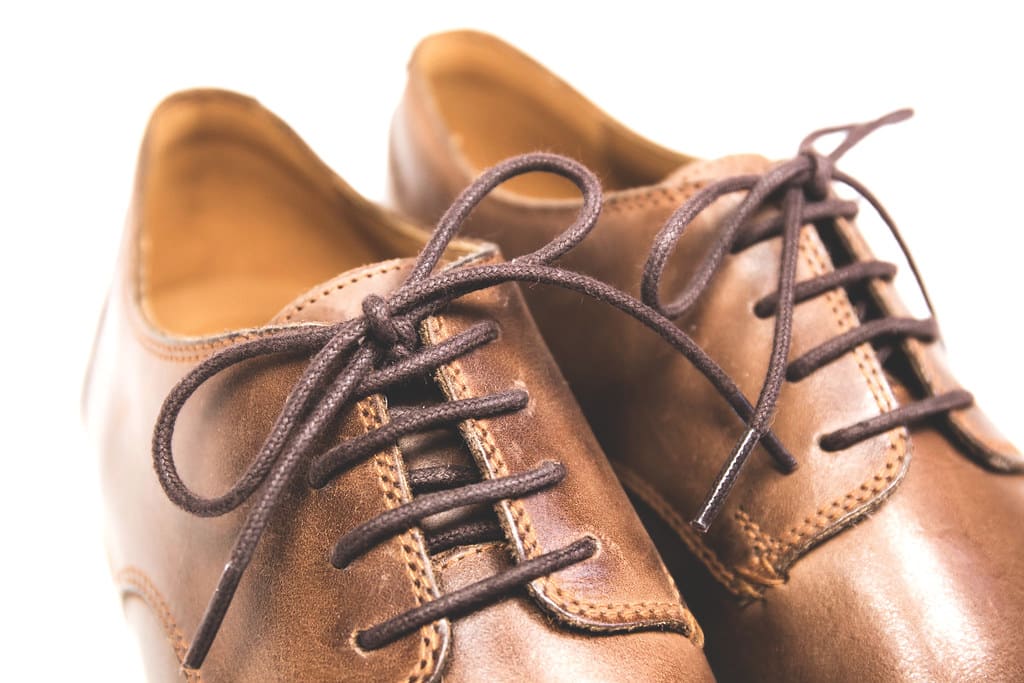
Open the closet of the average man who tells me he has nothing to wear and you’ll count eleven pairs of shoes. Three pairs of running shoes in various stages of collapse. Two brown dress shoes that are nearly identical. Boots bought for one trip to Montana. Sandals. Something from a wedding. And by the door, the one pair he actually wears, falling apart because it never gets a day off.
That closet costs more than a good shoe rotation and does less. I spent nine years watching men buy shoes one panic at a time, and the ones who ended up well-shod weren’t the big spenders. They bought four pairs with clear jobs and let those four share the load.
The short version: four pairs, rotated so none is worn two days running, cover nearly every week of the year. A black cap-toe oxford, a penny loafer, a suede chukka and a white leather sneaker run about $1,200 together, and with a day of rest between wears each pair lasts years longer than a single pair worn daily.
Four pairs is the number that works
Two isn’t enough. Alternate between two and each pair gets worn every other day, around 180 days a year. Good leather wears out fast on that schedule, and there’s no fallback when one pair is at the cobbler.
Six or more is fine if you have the money, but past four you start buying duplicates in slightly different browns. The extra pair gets worn twenty times a year and mostly takes up shelf space. The same logic runs through capsule wardrobe math generally: past a certain count, each new piece adds less than it costs.
Four is where every pair gets at least a day off after each wear, and where one pair can sit at the cobbler for two weeks without anyone noticing. Leather needs about 24 hours to dry out from the sweat a foot puts into it. With four pairs, you never break that rule.
Formality is the other reason. Most men’s weeks run along a range, from a suit for an interview or a funeral to jeans and a T-shirt on Saturday. Four shoes spaced along that range cover it without gaps.
A shoe rotation gives each pair one job and a backup
The lineup, from most formal to least:
| Pair | Price | Primary job | Backup job |
|---|---|---|---|
| Black cap-toe oxford | $425 | Suits, interviews, funerals | Formal evenings |
| Penny loafer | $165 | Chinos, odd jackets, summer suits | Smart weekends |
| Suede chukka | $160 | Chinos and sport coats in fall | Dark jeans on a cold day |
| White leather sneaker | $450 | Jeans and weekends | Relaxed office with chinos |
| Total | $1,200 |
The jobs overlap a little, on purpose. If the chukka is damp from yesterday, the loafer or the sneaker covers. If the loafer is at the cobbler, the chukka steps up. No single pair is critical, and that’s what lets each one rest.
The pair you wear every day is the pair you’ll be replacing first.
The oxford is the pair you hope you rarely need
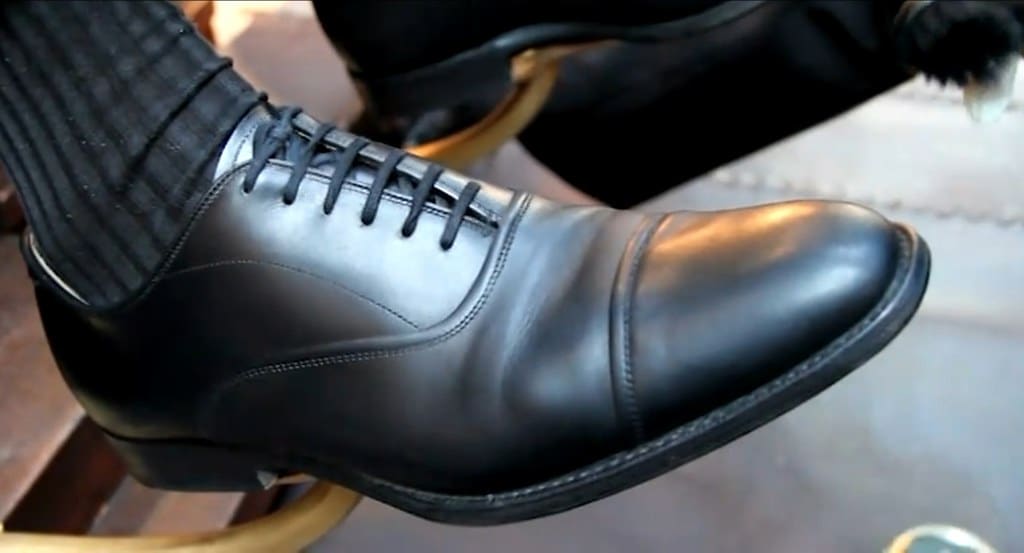
The Allen Edmonds Park Avenue Cap-Toe Oxford, $425, holds the formal end. It’s Goodyear-welted calfskin with closed lacing that sits clean under suit trousers, and the maker will recraft the sole when you’ve worn it down. In this closet it gets maybe 30 to 60 wears a year, so the first sole can last close to a decade.
Its limitation is also its job description. It’s too formal for jeans or chinos; try making it a daily shoe and you’ll look like you got lost on the way to a deposition. The leather sole is slick on wet pavement for the first few weeks, too, until the surface roughs up. Scuff it on a dry sidewalk before you need it in the rain.
Men argue with me about brown here. Brown goes with more; black is more correct. If you own a suit and wear it to serious things, buy black. If you never wear a suit, you may not need this slot at all, and a dark brown derby can take it.
The loafer and the chukka carry most of the year
These two get the most wear. The loafer takes spring and summer; the chukka takes fall and the dry days of winter.
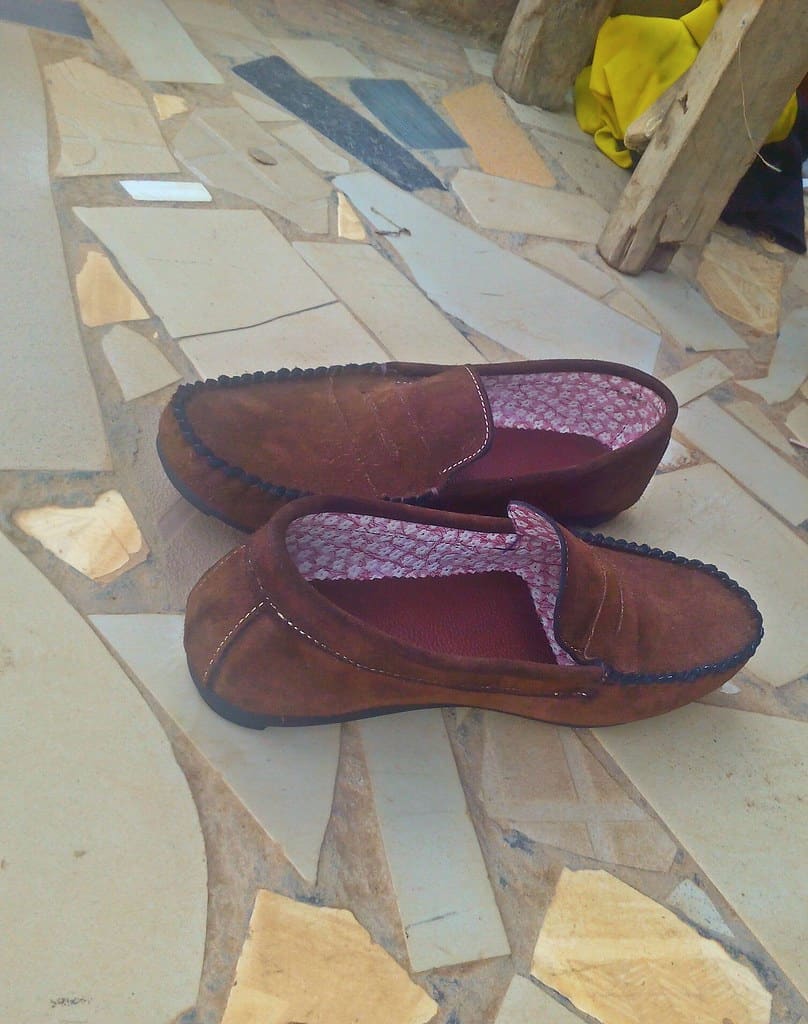
The G.H. Bass Weejuns Larson Penny Loafer, $165, is the classic version, with a beefroll strap and a leather sole. It works with chinos, odd jackets and summer suits, which makes it the shoe I’d point to for a business casual office that has moved past khakis and boat shoes. It slips on and off, and you’ll appreciate that in an airport security line. The downsides are real. The polished leather can crease hard at the flex point, sometimes in week one, and the last runs long enough that many buyers go down half a size.
The most common loafer mistake I saw on the floor was a man buying his sneaker size and walking out with a heel that lifted half an inch on every step. A loafer has no laces to hold it on, so it has to fit snug from day one. I got this wrong myself once, on a pair bought in a hurry before a summer wedding, and spent the reception curling my toes to keep them on.
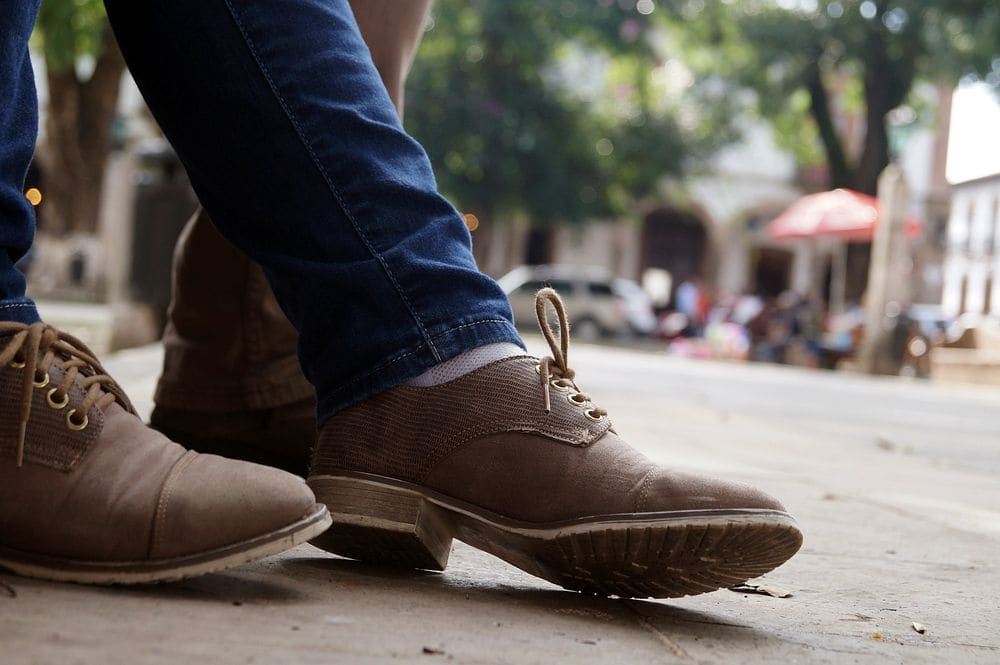
The Clarks Originals Desert Boot, $160, is the soft, easy shoe of the group: a two-eyelet suede chukka on crepe, comfortable from the first wear, and the easiest way to dress up chinos or dress down a sport coat. The crepe wears quickly on concrete and picks up grit, and untreated suede is no match for a downpour. Spray it before the first wear and skip it on days the forecast calls for real rain.
Drizzle is another matter. Suede handles weather better than its reputation, and a damp chukka brushed out the next morning usually looks fine. On a dry fall Saturday there’s no better shoe for the price.
Between them that’s $325 for a lot of wear. At 80 wears a year each, year one comes to about $2 a wear.
The sneaker earns its price in wears
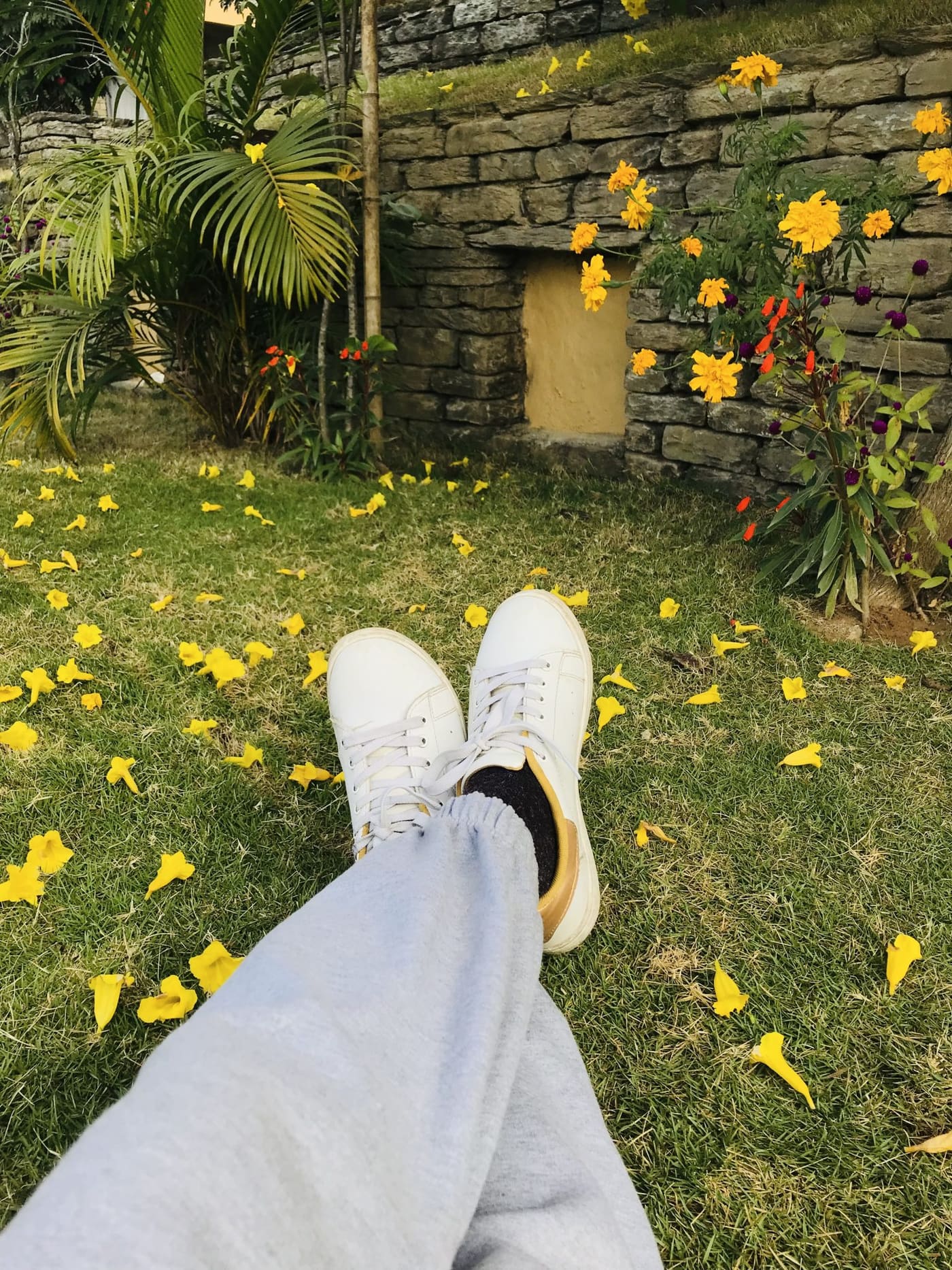
The Common Projects Achilles Low, $450, is the most expensive pair in the rotation, and I know that raises eyebrows. A white sneaker that costs more than the oxford?
I keep it in because it’s the pair that gets worn most. Weekends, travel days, a casual office, dinner in jeans. It reads clean with tailoring as easily as with denim, so it can quietly stand in for the loafer on a relaxed day. In a four-pair rotation it gets around 100 wears a year without complaint. At $450, that’s about $4.50 a wear in year one, dropping fast after.
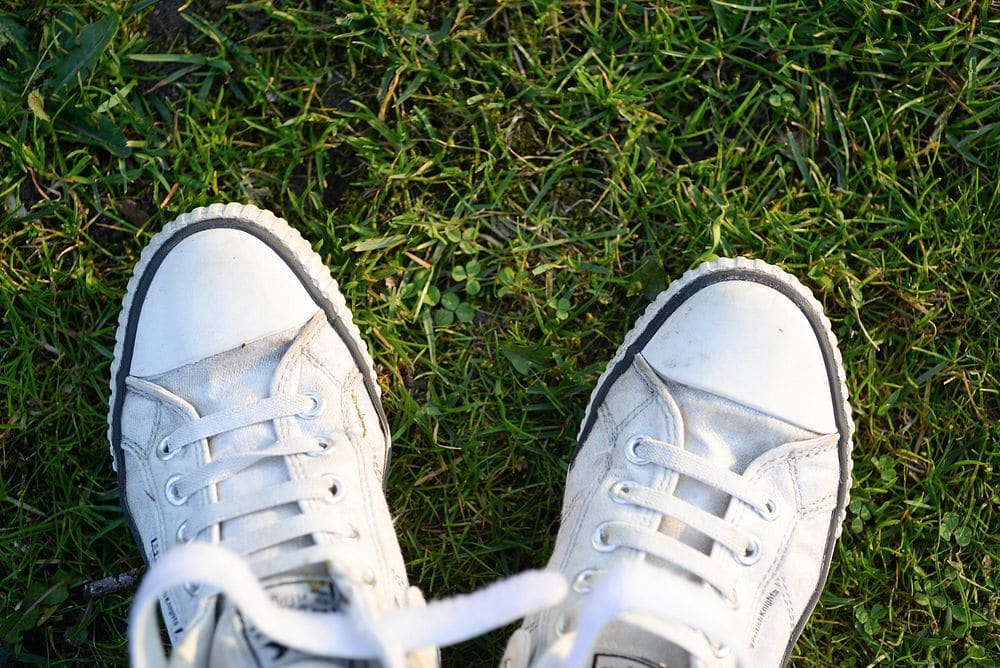
You should hear the limitation before you pay. You’re paying mostly for leather and finish rather than construction; a stitched rubber cupsole is good, but it isn’t a resolable welt. And white leather shows every crease and scuff. I’ve tracked how white leather sneakers age over hundreds of wears, and they never look new again after the first month. If that bothers you, a cheaper white leather sneaker does the same job for fewer years.
| Pair | Wears per year | Cost per wear, year one |
|---|---|---|
| Oxford ($425) | 60 | About $7 |
| Loafer ($165) | 80 | About $2 |
| Chukka ($160) | 80 | About $2 |
| Sneaker ($450) | 100 | About $4.50 |
The 60 for the oxford assumes a job where suits come up often. If yours is casual, it drops to 30 and the cost per wear doubles. That’s fine. Think of it as insurance.
I said most of a year, not all of it. This rotation doesn’t handle real snow. If you get more than a few inches at a time, or weeks of salted sidewalks, you need a fifth pair: a lace-up leather boot or a rubber-soled pull-on that can take slush. Every shoe in this lineup gets wrecked by a February in a snowbelt city. It doesn’t handle exercise either; running shoes are equipment, and they stay out of the wardrobe math. For the beach, buy whatever cheap sandal you like.
Those are add-ons. Get the four right first. Plenty of men I fitted owned a winter boot and two pairs of sandals and still had nothing to wear to a job interview.
Five minutes on Sunday keeps it running
A shoe rotation only works if you actually rotate, and the system takes about five minutes a week.
Every pair gets a cedar shoe tree, around $30 a pair, so about $120 for the set. Trees go in the moment the shoes come off. Cedar shoe trees pull moisture out of the lining and hold the shape so creases relax overnight, which matters most for the loafer and the oxford.
Never wear the same pair two days in a row, and give each pair two days off when you can. On Sunday night, look at the week and assign shoes to days. Brush the leather pairs after each wear. Condition the oxford and loafer once a month, and spray the chukka at the start of every fall.
When a sole thins at the ball of the foot, take that pair to a cobbler before it goes through. The other three cover for it that week, and that’s usually when men understand why I keep saying four. There are more footwear guides on resoling and sizing when you’re ready to plan the next pair.
The verdict: Buy the four in this order: the chukka first, because it does the most for the least, then the loafer half a size down, then the white sneaker, and the oxford last, when your calendar tells you a suit is coming. Put cedar trees in all four, never wear the same pair two days running, and you’ll spend about $1,200 once instead of $400 a year forever.
In this story
How we make money: some links below are affiliate links. If you buy through them, Via may earn a commission. It never changes the price you pay, and it never decides what we recommend. Full disclosure.
Investment · $300+
Allen Edmonds Park Avenue Cap-Toe Oxford
A Goodyear-welted calfskin cap-toe oxford with a closed lacing that sits clean under suit trousers and can be recrafted by the maker when the sole is done.
Won't do: Too formal for jeans or chinos, and the leather sole is slick on wet pavement for the first few weeks.
Investment · $300+
Common Projects Achilles Low
A minimal white leather sneaker with a stitched rubber cupsole that reads clean with tailoring as easily as with denim.
Won't do: You pay mostly for leather and finish rather than construction, and white leather shows every crease and scuff.
Mid · $100–$299
Clarks Originals Desert Boot
The two-eyelet suede chukka on a crepe sole: light, soft from day one, and the easiest way to dress up chinos or dress down a sport coat.
Won't do: The crepe sole wears quickly on concrete and picks up grit, and untreated suede is no match for a downpour.
Mid · $100–$299
G.H. Bass Weejuns Larson Penny Loafer
The classic penny loafer with a beefroll strap and leather sole; it works with chinos, odd jackets, and summer suits.
Won't do: The polished leather can crease hard at the flex point, and the last runs long enough that many buyers go down half a size.
Next stops
All Footwear guides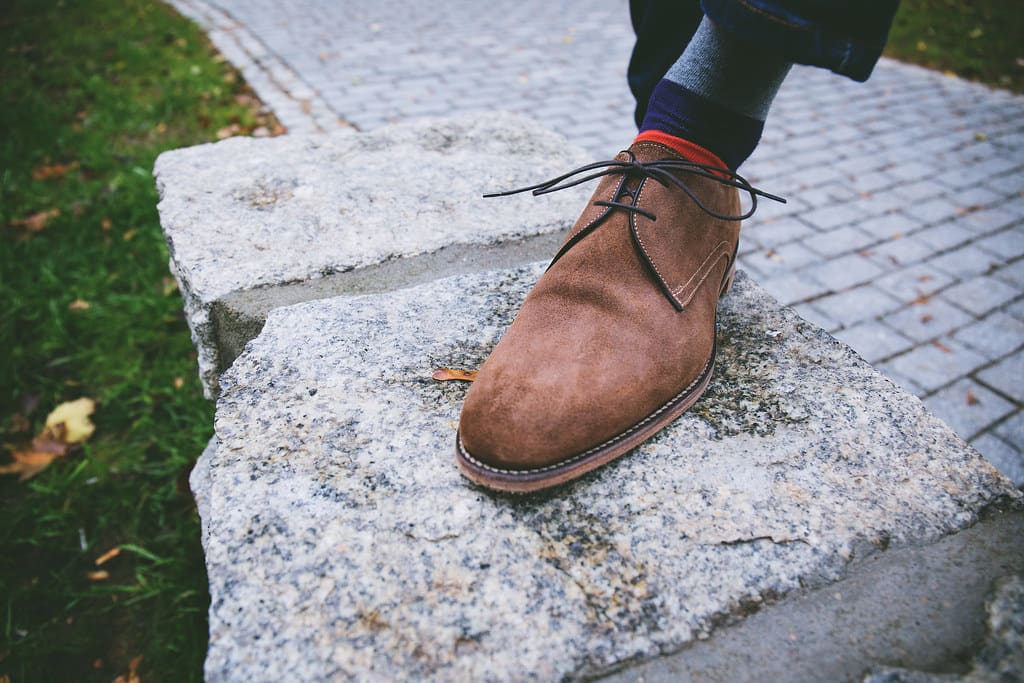
Suede Isn't Fragile. You've Just Been Told It Is.
Suede is the same cowhide as smooth leather with the nap turned out, and with a $15 spray and a $10 brush it handles far more weather than its reputation suggests.
Marcus Hale 8 min
White Leather Sneakers: How They Age Over 500 Wears
Clean white leather looks perfect for about three weeks. Here's what happens to the creases, the sole, and the lining after two years of real use, and what you can slow down.
Marcus Hale 5 min
Cedar Shoe Trees: The Cheapest Insurance You'll Buy
Thirty dollars of unfinished cedar will add years to a pair of good shoes. Why it works, how to fit it, and where it falls short.
Walt Brennan 7 min