Stop 05 · Tailoring Fit Notes
Alterations Worth Paying For, and Three That Aren't
Most of what makes a suit look expensive costs under $60 at a tailor, and the jobs that cost three times that rarely deliver.
By Julian Okafor, Tailoring Editor
· 8 min read · 1,850 words
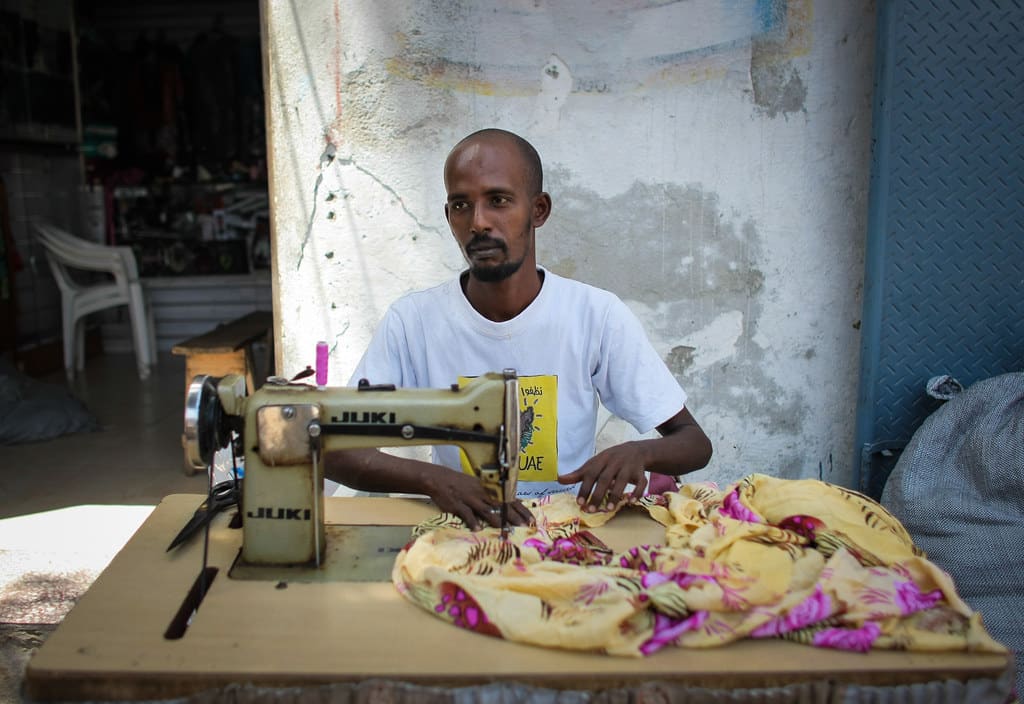
The first time I paid for suit alterations, I got them wrong. I was 22, a year before I’d touch a sewing machine professionally, and I handed a shop $95 to take an inch and a half off the length of a sport coat that felt long. It came back shorter, all right. It also came back with the pockets sitting too low, the button too close to the hem, and a vent so stubby it flipped open when I sat. I’d paid good money to make a decent jacket look like a cheaper one.
Four years in an alterations shop taught me where that line falls. The suit alterations worth paying for are the ones done at seams and edges: hemming trousers, shortening sleeves, taking in a jacket waist, adjusting a trouser seat, and tapering a leg. Each costs roughly $15 to $60 and changes how a suit looks more than any upgrade in cloth. The three that rarely pay off are narrowing shoulders, shortening a jacket’s body, and trying to take a jacket down more than a size.
The logic is structural. A jacket and a pair of trousers are built from a frame (shoulders, chest, balance) and finished at the edges. A tailor can move the edges cheaply because the cloth is designed to be adjusted there, with spare seam allowance folded inside for exactly that purpose. Moving the frame means taking the garment apart.
Six suit alterations that pay for themselves
These are the jobs I’d do to almost any suit that fits through the shoulders. Prices are what a competent neighborhood tailor charges in most American cities, with big-city shops running 20 to 30 percent higher.
| Alteration | Typical cost | Usual time |
|---|---|---|
| Hem trousers, plain | $15–$25 | 2–5 days |
| Shorten sleeves, plain cuffs | $25–$45 | 3–5 days |
| Take in jacket waist | $30–$60 | 5–7 days |
| Adjust trouser waist and seat | $20–$45 | 3–5 days |
| Taper trouser legs | $30–$50 | 3–5 days |
| Lower a gaping collar | $40–$80 | 5–7 days |
Add the first four together and you’re at $90 to $175 to make an off-the-rack suit look like it was cut for you. On a $500 suit that’s a real number, but it’s also the difference between a suit that fits and one that hangs, and nothing else you can spend $150 on will do as much.
The hem comes first because it’s the cheapest and the most visible. A trouser that pools over your shoe makes the whole suit look borrowed. How much hem should rest on the shoe depends on your leg opening, and the reasoning behind choosing a trouser break is worth having in your head before you step onto the tailor’s box. Bring the shoes.
Sleeves come second. A jacket sleeve should end where your wrist meets your hand, showing about 1/4 to 1/2 inch of shirt cuff when your arms hang. Most off-the-rack jackets run long, deliberately, because shortening is easy and lengthening often isn’t. On plain cuffs with decorative buttons, the tailor shortens from the cuff in an afternoon. On working buttonholes (the kind that actually unbutton) the job moves to the shoulder end or costs $60 to $120, because the holes are already cut and can’t be moved down.
Have both sleeves measured, not one. Most people’s arms differ by a quarter inch or so, usually the dominant arm running longer, and a tailor who pins only the right sleeve and copies the number to the left will leave you with one cuff peeking and one hidden. It’s a small thing that you’ll notice every time you reach for a door handle.
I used to think working buttonholes were vanity, a detail that existed only so men could unbutton one and be noticed doing it. I’ve softened. They make a jacket harder to alter, which is a real cost, but they’re also a sign that the maker expected the sleeve length to be right from the start. On an off-the-rack jacket that’s optimism. Check the sleeves before you fall for the buttons.
The cheapest jobs in the shop are the ones people notice most.
The waist and the seat do quiet work
Taking in a jacket waist is the alteration that makes a suit look expensive. Most ready-made jackets are cut for a fuller middle than the average man has, and an inch or two removed at the side and back seams turns a box into a shape. A good tailor will pin it while you stand with your arms relaxed, then check it buttoned and unbuttoned. The limit is about two inches in total before pockets and darts start to pull out of line.
Trousers are similar, only at the back. The seat is where off-the-rack trousers usually go wrong, with a loose fold of cloth under the seat or a waistband that gaps at the back when you sit. A tailor takes these in through the center back seam, which on most decent trousers runs from the waistband down through the seat precisely so it can be adjusted. It’s a $20 to $45 job and nobody will ever know it was done, which is the point.
Tapering is the last of the cheap ones. If the leg is wide from knee to hem, a tailor can take it in along the inseam and outseam, usually by up to an inch at the opening. The same logic applies to casual trousers, and the rise, seat, and taper in chinos that actually fit follow nearly identical rules. One caution: a taper changes the leg opening, which changes the break, so taper first and hem second, at the same fitting.
Know where the spare cloth is
Every alteration that lets something out depends on seam allowance, the extra cloth folded inside a seam. Better garments leave more of it; cheap ones trim it to a quarter inch. Before you buy something that’s slightly tight, ask the tailor (or turn the trousers inside out yourself) to see how much is there.
| Where | Allowance you’ll usually find | What it allows |
|---|---|---|
| Trouser center back seam | About 1 1/2 inches | Let out waist by up to 1 1/2 inches |
| Jacket side and back seams | About 1 inch total | Let out jacket by about 1 inch |
| Trouser hem, folded inside | 1 1/2 inches if requested | Lengthen later |
| Sleeve, plain cuff | 1 to 1 1/2 inches | Lengthen slightly |
That third row is the one you control. When you get a suit hemmed, ask for about 1 1/2 inches to be left inside rather than cut off. It costs nothing and lets you lengthen later if the trousers shrink at the cleaner or your shoes change.
Three alterations I’d talk you out of
Each of these is possible. That’s the trap. A shop that wants the work will take it, and you’ll leave with a ticket for $150 or more and a garment that looks almost right, which in tailoring is a polite way of saying wrong.
Narrowing the shoulders
This is the big one. Narrowing a shoulder means removing the sleeve, cutting back cloth and canvas, reshaping the armhole, and setting the sleeve back in. Most tailors will attempt about half an inch per side for $150 to $300, and the result rarely sits as cleanly as a jacket cut right in the first place. I’ve written a whole piece on why jacket shoulder fit is the one thing you have to get right in the store, and I’ll only repeat the conclusion here: if the shoulder is wrong, the jacket is wrong.
Shortening the jacket body
This is my $95 mistake. A jacket’s length is tied to everything on its front: the pocket flaps, the button stance, the vent, the proportions of the lapel. Take an inch and a half off the hem and every one of those details moves closer to the bottom edge. A tailor can do it for $60 to $100, but the jacket will look like a shorter jacket that someone has pushed down. A jacket should cover your seat and end about where your curled fingers meet it. If it doesn’t, try a different length, not a different tailor.
Taking a jacket down more than a size
Men who’ve lost weight often bring in a jacket and ask us to take it in by three or four inches. We could, technically. But beyond about two inches total the darts, pockets, and chest shaping start to fold in on themselves, and the shoulders, which can’t come in, end up wider than the body. If you’ve dropped a full size, it’s usually cheaper and better to sell the old suit and buy one that fits. I learned to say this gently. It’s good news, after all.
Find the tailor before you need one
The best tailor isn’t always the one with the nicest storefront. The one I’d trust is the one who asks to see your shoes, pins you standing naturally, tells you plainly when a job isn’t worth doing, and gives you a ticket with a date on it. Ask what they charge to hem a pair of trousers. A shop that quotes $15 to $25 and has a two- to five-day turnaround is in the normal range; a shop that can’t tell you without seeing the trousers is fine too, as long as they can tell you once they do.
Finding one is a lot like finding a good cobbler: start with a cheap job, look at the work, then trust them with the expensive one. A trouser hem is the perfect test. Check that the stitching is invisible from the outside, that the hem is angled slightly longer at the back, and that the crease was pressed back in properly.
At the fitting itself, you have a job too. Wear the shirt you’ll wear with the suit, empty your pockets, and stand the way you actually stand, not the way you stand for photographs. If you slouch a little, slouch. A jacket pinned to a posture you can hold for two minutes will pull at the button for the next five years. Then sit down in the trousers before anything gets chalked, because a seat that’s perfect standing can be tight the moment you’re in a chair.
Some jobs belong to specialists. Jeans are a good example. A regular tailor will hem them with a flat lockstitch, which is fine, but if you care about the twisted roping that forms on a hem as raw denim fades, you’ll want a chain-stitch machine, which most general shops don’t own. The fading itself is a long story, told well in raw denim’s first year. And for the rest of what fits and why, our tailoring section has the other pieces.
The verdict: Pay for the hem, the sleeves, the jacket waist, the trouser seat, and a taper if the leg needs it, roughly $90 to $175 all in, and do them at one fitting with your shoes on. Refuse to pay for narrowed shoulders, a shortened jacket body, or a jacket taken in more than two inches; any of those is a sign to buy a different jacket.
Next stops
All Tailoring guides
The Shoulder Is the One Fit You Can't Fix
Sleeves, waists, and hems are a tailor's daily bread, but a shoulder that is wrong in the store will be wrong for the life of the jacket.
Julian Okafor 8 min
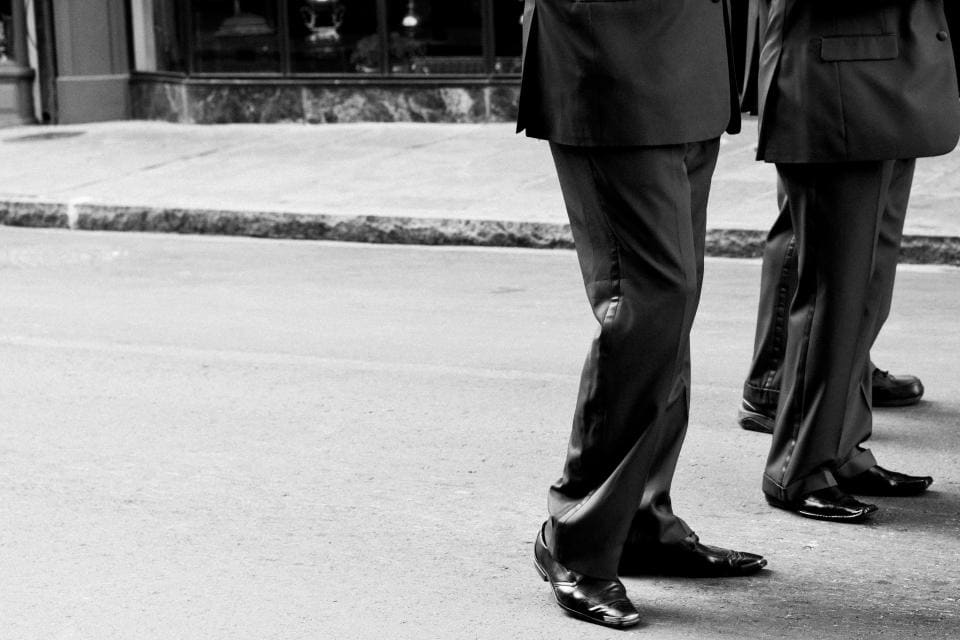
Trouser Break: Choosing Between None, Slight, and Full
A quarter inch of hem decides whether your trousers look pressed or puddled, and the right break depends on your leg opening and your shoes.
Julian Okafor 6 min

Wedding Guest Dress Codes, Decoded for Men
From black tie to beach, here is what each line on the invitation actually asks of you, planned the Via way: shoes first, then everything above them.
Sam Whitaker 9 min