Stop 03 · Everyday Wear Notes
Raw Denim, Year One: What Actually Happens
A month-by-month account of breaking in one pair of raw jeans: the stiffness, the crocking, the first soak, and when fades actually show up.
By Danny Reyes, Everyday Editor
· 6 min read · 1,445 words
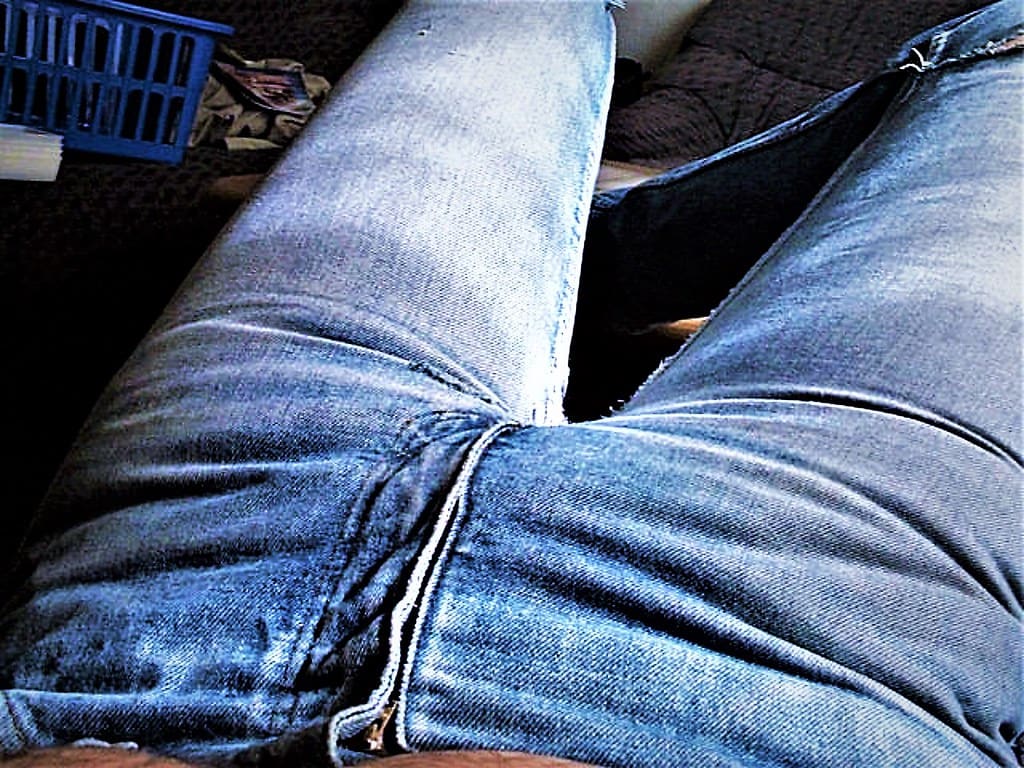
The first morning I put on my raw jeans, I sat down to tie my boots and the denim fought me like a cardboard box with opinions. The waistband dug in, the knees wouldn’t bend past about seventy degrees, and by the time I got to the train I had blue smudges on both wrists and a vague sense that I’d made a $200 mistake. That was three years ago. I still wear the same pair almost every day, and I log it in a spreadsheet, because I am that guy.
So, the short version. Breaking in raw denim takes about six months of near-daily wear: a stiff, blue-handed first month, whiskers around month three, a first soak at roughly 150 wears, and fades worth looking at by month twelve. Nobody needs to call them an investment. They’re pants. Good pants, but pants.
Breaking in raw denim starts with a bad month
Raw denim is fabric that hasn’t been washed or pre-shrunk after weaving. It’s stiff because it still carries starch from the mill, and it’s dark because none of the indigo has been rinsed out. Most raw jeans run between 13 and 16 ounces per square yard. Lighter than that and they behave like regular jeans with a better story; heavier and you’re signing up for a hobby.
For the first two to four weeks, the waist will feel tight when you sit, even in the right size. The backs of the knees will feel like they’re folding a placemat. And everything you touch turns faintly blue: white sneakers, light car seats, your couch, the insides of your forearms. That’s crocking, and it eases after the first month, though it doesn’t fully stop until the first soak.
The most useful fit advice I have: buy them snug. Not painful, but snug enough that buttoning the waist takes a small inhale. Raw jeans stretch with wear, usually about an inch in the waist and noticeably through the seat and thighs. If they’re comfortable in the dressing room, they’ll be baggy by spring. And since you’ll wear one pair this often, it can carry most of the denim load in a small, hard-working closet.
Sanforized or unsanforized changes the math
This is where first-time buyers get burned. Sanforized denim has been mechanically pre-shrunk at the mill, so it shrinks only a little, typically 1 to 3 percent, when you finally wash it. Unsanforized, sometimes sold as shrink-to-fit, hasn’t been, and it can lose up to an inch in the waist and two to three inches in the inseam on the first hot soak.
Unless you enjoy sitting in a bathtub wearing wet jeans (a real technique, and exactly as fun as it sounds), buy sanforized for your first pair. The fade difference is real but small, and you’re trying to find out whether you like this, not prove something.
| Fabric type | Waist shrink | Inseam shrink | First pair? |
|---|---|---|---|
| Sanforized | 0–0.5 in | 0.5–1 in | Yes |
| Unsanforized | Up to 1 in | 2–3 in | Only if you size up |
| Pre-washed raw (one rinse) | Under 0.25 in | Under 0.5 in | Yes, if you hate stiffness |
Buy the inseam long either way. You can hem jeans; you can’t add fabric back. I keep mine cuffed once at about 1.5 inches, which also makes the hem decision someone else’s problem later.
Fades come from wearing them hard
Around month three the stiffness gives way and you see the first real changes. Whiskers, the horizontal lines at the top of the thighs, show up where the fabric folds when you sit. Honeycombs appear behind the knees. Your phone and wallet start printing outlines on the pockets. None of it takes skill; it’s a record of what you did.
The online crowd gets this part wrong. There’s a lot of talk about going six months or a year without washing, as if fades were earned through suffering. They come from abrasion and creasing, and you get more of both by wearing the jeans hard: biking, kneeling in the garden, sitting on the floor with your kids. A pair worn 30 times over six months will look flatter than one worn 150 times over the same six months, regardless of washing.
The best fades on my jeans came from a bike commute and a toddler who likes the floor.
My own year-one spreadsheet looked roughly like this. Your numbers will differ, but the sequence won’t.
| Month | Wears (cumulative) | What changed |
|---|---|---|
| 1 | 24 | Stiff waist, heavy crocking on hands |
| 3 | 70 | First whiskers, knees start to soften |
| 6 | 155 | Honeycombs, wallet outline, first soak |
| 9 | 225 | Contrast sharpens, hems start roping |
| 12 | 290 | Seat thinning, first small repair |
The first wash comes around 150 wears
I soaked mine at about 155 wears, a little after month six. Not because a rule told me to, but because they smelled like a subway platform and the crotch was starting to look thin. Waiting longer would have meant a blowout, which costs more to fix and looks worse.
The soak is simple. Turn the jeans inside out, fill a tub with water around 80°F, add a capful of gentle detergent, and leave them for 45 minutes to an hour. Agitate a little by hand, rinse cold, and hang to dry. Skip the dryer unless you want them a size smaller with muddy contrast. There’s a fuller guide to washing raw denim without wrecking the fades if you want the details.
Afterward the jeans come back softer, a shade lighter, and with sharper fades because the grime blurring the lines is gone. They’ll feel tight again for a day or two. That passes. I now wash mine every two to three months, or sooner if I do something dumb with chili.
Your boots break in alongside the jeans
Since this magazine starts at the feet: raw denim and boots break in together, and they mark each other. The hem rides on the boot shaft all day, and indigo rubs onto light leather. Meanwhile the boot wears a pale ring into the inside of the hem.
I wear mine mostly with Red Wing Heritage Iron Rangers, which run $370. They’re a triple-stitched, Goodyear-welted lace-up in oil-tanned leather with a double-layer toe cap, and after three years they’ve molded to my feet the way the jeans molded to my legs. I’d buy them again. But the first month is rough: they’re heavy and stiff, and a stiff boot under stiff denim makes for some grim commutes. Most people also size down half a size from their sneakers. I’m a US 10D in running shoes and a 9.5D in the Iron Rangers, and the first pair I tried at my sneaker size slid at the heel all day. That gap is its own subject, covered in why your size changes between brands.
If you buy both at once, stagger it. Wear the boots with soft, washed chinos for the first two or three weeks, using the usual tricks for breaking in stiff leather boots, and wear the raw denim with sneakers you don’t mind turning faintly blue. Combine them once each has stopped fighting you.
The hem matters too. A 6-inch boot wants either a cuff that sits just above the shaft or a leg opening around 7 to 7.5 inches that stacks once on the shaft rather than ballooning over it. Wider openings swallow the boot. It’s the same pairing I fall back on for a weekend uniform that sticks.
Repairs are part of the deal
Around month eleven I got my first small hole, right where the inner thighs rub. That’s normal. Most tailors and denim shops charge around $25 to $45 to darn a crotch or reinforce it before it blows out, and caught early, the repair is nearly invisible. Let it go and you’re looking at a patch, and patches multiply.
Hold the jeans up to a window every month or so and check the inner thighs and back pockets. If you see light coming through, get it fixed that week. My pair has three repairs now and I like it better than when it was new, a sentence I’d have mocked five years ago. There’s more of this kind of practical wear-testing in the rest of our everyday guides.
The verdict: Buy one pair of sanforized raw denim around 14 ounces, snug in the waist and long in the leg, wear it hard for about six months or 150 wears, then soak it, and get the crotch reinforced the first time you see daylight through it. If you’re pairing it with Iron Rangers, size the boots down half a size and break each in separately before you combine them.
In this story
How we make money: some links below are affiliate links. If you buy through them, Via may earn a commission. It never changes the price you pay, and it never decides what we recommend. Full disclosure.
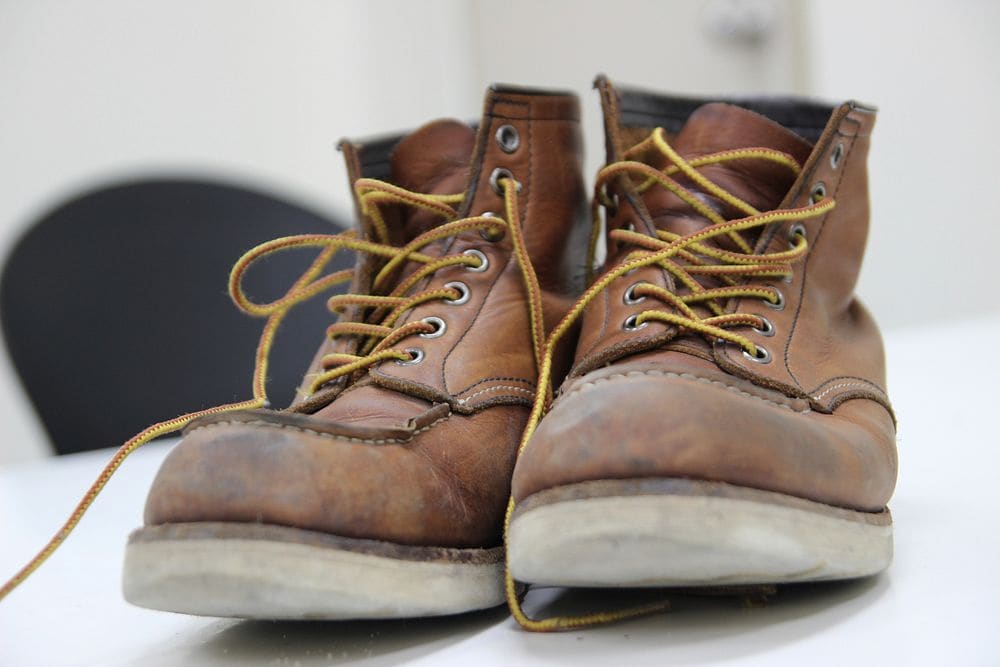
Investment · $300+
Red Wing Heritage Iron Ranger 6-Inch Boot
A triple-stitched, Goodyear-welted lace-up work boot in oil-tanned leather with a double-layer toe cap; it molds to the foot and resoles for years.
Won't do: Heavy and stiff for the first month, and most wearers size down half a size from their sneakers.
Next stops
All Everyday guides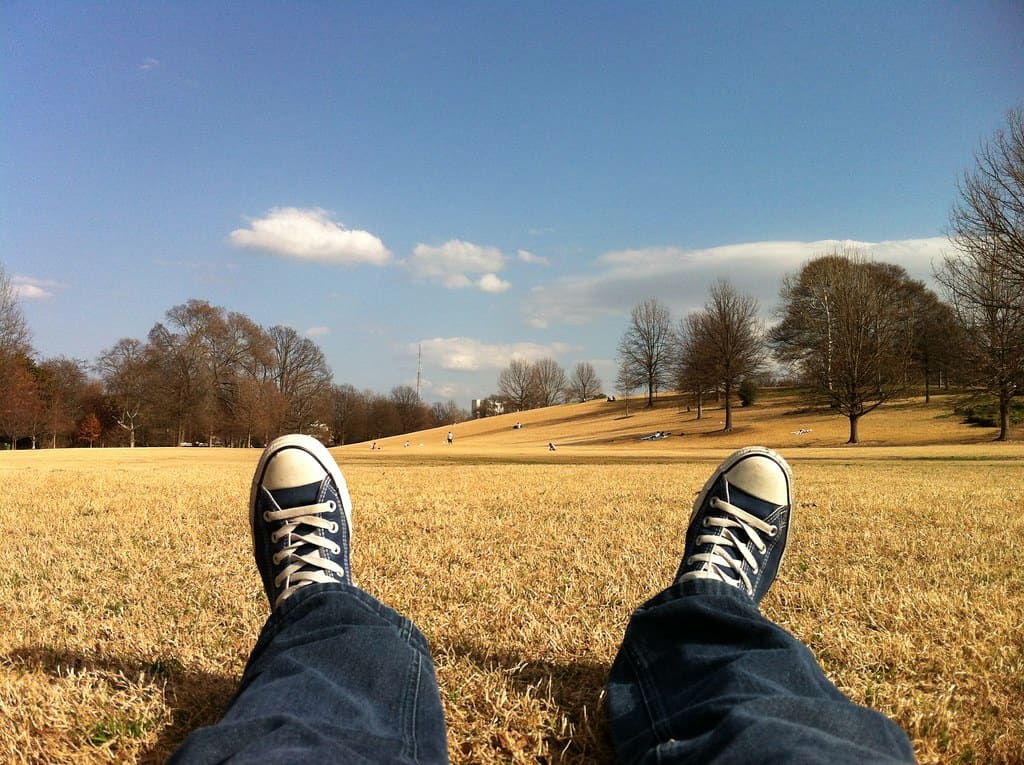
Building a Weekend Uniform You Won't Get Tired Of
Fix the formula, rotate the parts: a two-shoe weekend uniform that survives a year of Saturdays without turning into the same photo every week.
Danny Reyes 7 min
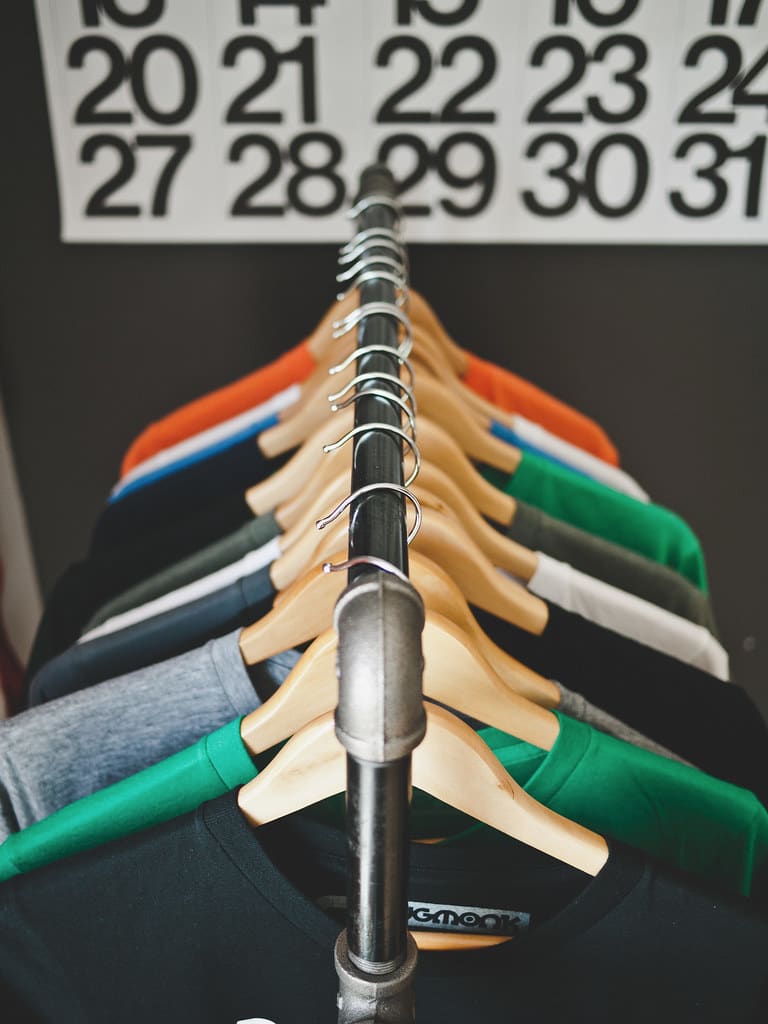
Capsule Wardrobe Math: How Few Pieces Is Too Few
Small closets fail on arithmetic, not taste. The wear rates, laundry cycles, and shoe rest days that set the real floor for a working capsule.
Danny Reyes 5 min
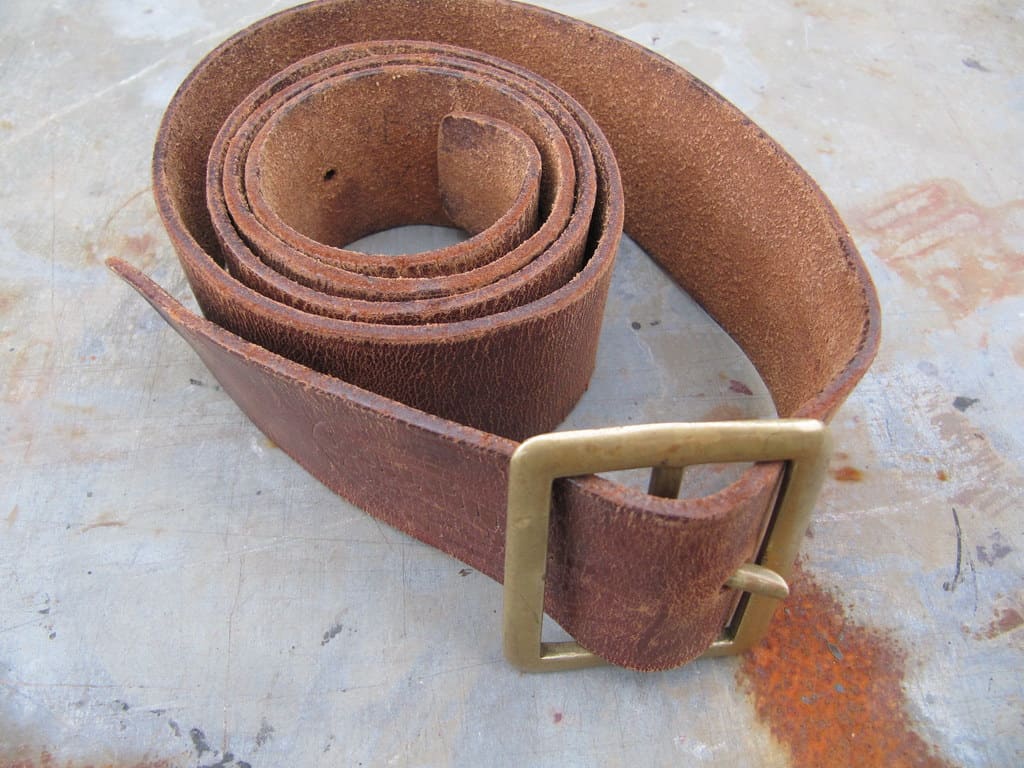
Belt Sizing: Why Your Belt Isn't Your Waist Size
A belt is measured from the buckle fold to the center hole, not around your body, and that one length is the only number worth trusting.
Theo Lindqvist 5 min