Stop 01 · Footwear Fit Notes
Why You're a 10 in One Brand and a 9.5 in Another
The number on the box is one factory's guess about your foot. Measure once, learn how lasts and shoe types run, and you'll stop returning pairs.
By Marcus Hale, Footwear Editor
· 6 min read · 1,310 words

A shoe size isn’t a measurement. It’s a guess, made by one factory, about a foot it has never seen.
I measured somewhere north of four thousand feet in nine years on a shop floor, and the box agreed with the measuring device maybe two times out of three. The rest of the time a man who swore he was a 10 walked out in a 9.5 or a 10.5, and the men shopping for their first real pair of boots were off most often.
Shoe sizes vary between brands for three reasons: each brand builds on its own last (the foot-shaped form a shoe is made around), the US system leaves a lot of room in how sizes are graded, and different kinds of shoe are cut with different toe room on purpose. The fix is to know your measured length and width, then learn how each brand and style runs against that number.
Every size starts on a last
A last is a solid form, these days usually plastic, shaped like an idealized foot. The leather is stretched over it and the sole attached while it’s in place. Every dimension of the finished shoe comes from that last: the length, the width at the ball, the height of the instep, the size of the heel cup, and the space in front of your toes.
Brands design their own lasts and guard them. Two shoes both labeled US 10D can differ by a quarter inch in internal length, and by more in the shape of the toe. One brand’s 10 has a long, tapering toe that adds visual length but no room. Another has a round, blunt toe that gives your toes more space at the same marked size.
Then there’s the type of shoe. Sneakers have padding and a stretchy upper, so they’re cut generous. Dress shoes are cut closer. Work boots, especially the heavy ones, often run large because they’re built for thick socks.
Shoe sizes vary between brands by up to a full size
The US system steps up a third of an inch with each full size and a sixth of an inch with each half. That’s precise on paper. In practice, each brand decides where its 10 starts, how it grades up and down from the sample size, and how much allowance goes in front of the toe. Foreign sizing adds another layer. UK sizes usually sit about one below US, so a US 10 is roughly a UK 9, and European sizes don’t split into halves at all.
Width letters are worse. D is standard for men and E or 2E is wide, but there’s no shared rule for what D means in inches across the ball of the foot, and I’ve seen one brand’s D fit like another’s E. Belts have the same problem; your belt isn’t your waist size either. For my first couple of years on the floor I sold men their usual D without checking, and a fair number came back with pinched little toes.
A foot that measures 10D on the floor might land like this across styles. These are patterns from years of fitting, not guarantees.
| Shoe type | Typical size for a measured 10D | Why |
|---|---|---|
| Running shoe | 10 to 10.5 | Padded upper, extra toe room |
| Canvas sneaker | 9.5 | Many classic lasts run long |
| Leather dress shoe | 9.5 to 10 | Close cut, leather gives in width |
| Heavy work boot | 9.5 | Roomy last built for thick socks |
| Penny loafer | 9.5 | No laces, needs a snug heel |
I stopped asking men what size they were and started asking them to stand on the device.
Measure properly, once, and write it down
Most men last had their feet measured as kids. Feet change. They flatten and lengthen a little with age and weight, and plenty of men have one foot a half size bigger than the other.
Measure in the late afternoon, when your feet have swelled a little from the day. Stand with your full weight on the foot, in the socks you’d wear with the shoe. Get length and width, and note which foot is bigger, because you buy for that one. No shop nearby? Stand on a sheet of paper against a wall, mark the tip of your longest toe, and measure heel to mark in inches. Then check it against the brand’s own chart, never a generic one.
It’s the same habit as measuring your neck for a dress shirt: the label and your body are related, and they’re rarely the same number.
Then write down the brand, the style, and the size that fit. Keep it in a note on your phone. After a few purchases you’ll have your own conversion chart, and it’ll beat anything online.
Two shoes that pull in opposite directions
The Red Wing Heritage Iron Ranger 6-Inch Boot, $370, is a good example of a boot that runs big. It’s Goodyear-welted and triple-stitched in oil-tanned leather with a double-layer toe cap, and it molds to your foot and resoles for years. Most wearers size down half a size from their sneakers. It’s also heavy and stiff for the first month, and that stiffness fools people at the fitting. A boot that feels snug in the store will relax, but a boot that feels roomy only gets roomier as the leather and the cork bed settle.
When I fitted this boot I’d steer men toward the size that felt a little too firm across the instep, never the one that felt comfortable on day one. If that first month worries you, there’s a sensible way to break in stiff boots without losing skin.
The Converse Chuck 70 Hi, $90, is the opposite case. It’s the standard Chuck rebuilt with heavier canvas, a taller rubber foxing and a cushier insole, a weekend shoe that costs less than a nice dinner and slots straight into a weekend uniform of jeans and a T-shirt. The classic Chuck last runs long, so many men take a half size down from their running shoes, which is exactly how you end up a 10 in one brand and a 9.5 in another. Its real limitations have nothing to do with size. There’s almost no arch support for long days on your feet, and the canvas soaks through in the first real rain.
When two sizes both feel close
It happens a lot: the 9.5 feels a touch tight, the 10 a touch loose. Some rules from the floor.
In leather lace-ups, take the smaller size if the length is right and only the width feels snug. Leather stretches in width, about a quarter size over the first month. It doesn’t stretch in length at all.
Canvas and mesh barely give, so in sneakers go with the bigger size. Toes jammed into the front on a long walk will cost you a toenail.
Slip-ons loosen, and there’s nothing to cinch. Take the smaller one.
A thin insole is the other tool. A leather or slim foam insert takes up about a quarter size of volume, which can rescue a pair that’s a hair long. It can’t rescue a shoe that’s short.
And try on both shoes. I watched men lace up the right one, walk ten feet, call it good, and come back two days later with the left heel rubbed raw. There are more footwear guides on fit if your feet are still giving you trouble.
The verdict: Get measured once, late in the day, standing, and treat that number as your starting point. Buy heavy work boots like the Iron Ranger and classic canvas like the Chuck 70 a half size below your running shoes, take leather lace-ups snug in width but never short in length, and keep a running list of what fit. After three or four purchases, you won’t need anyone to tell you your size.
In this story
How we make money: some links below are affiliate links. If you buy through them, Via may earn a commission. It never changes the price you pay, and it never decides what we recommend. Full disclosure.
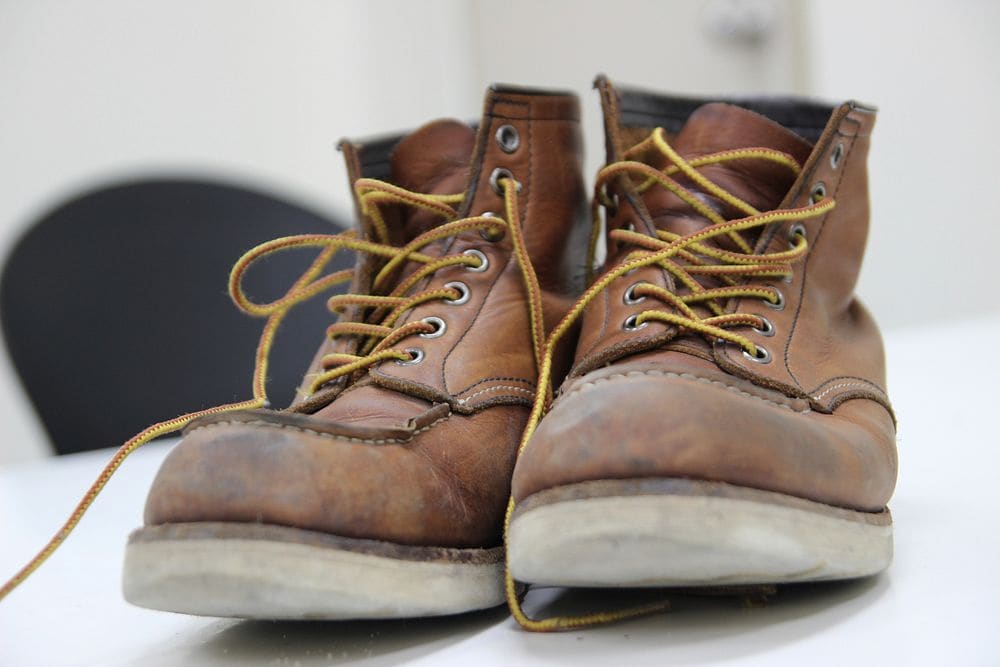
Investment · $300+
Red Wing Heritage Iron Ranger 6-Inch Boot
A triple-stitched, Goodyear-welted lace-up work boot in oil-tanned leather with a double-layer toe cap; it molds to the foot and resoles for years.
Won't do: Heavy and stiff for the first month, and most wearers size down half a size from their sneakers.
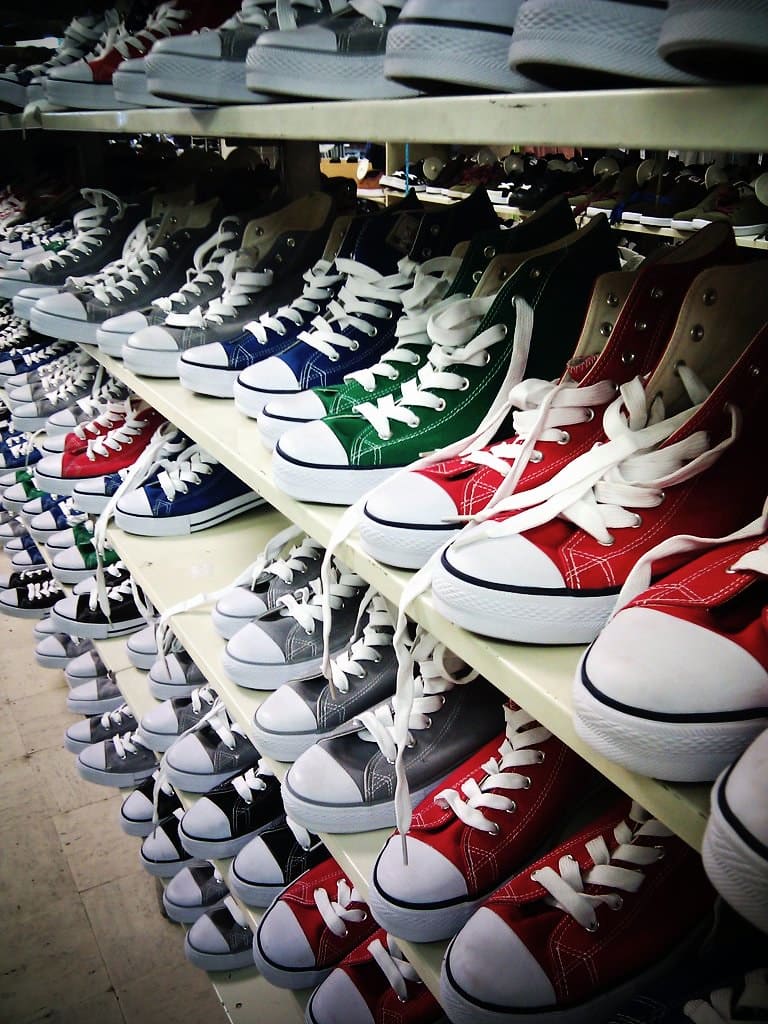
Entry · under $100
Converse Chuck 70 Hi
Heavier canvas, a taller rubber foxing, and a cushier insole than the standard Chuck; a weekend shoe that costs less than a nice dinner.
Won't do: Almost no arch support for long days on your feet, and the canvas soaks through in the first real rain.
Next stops
All Footwear guides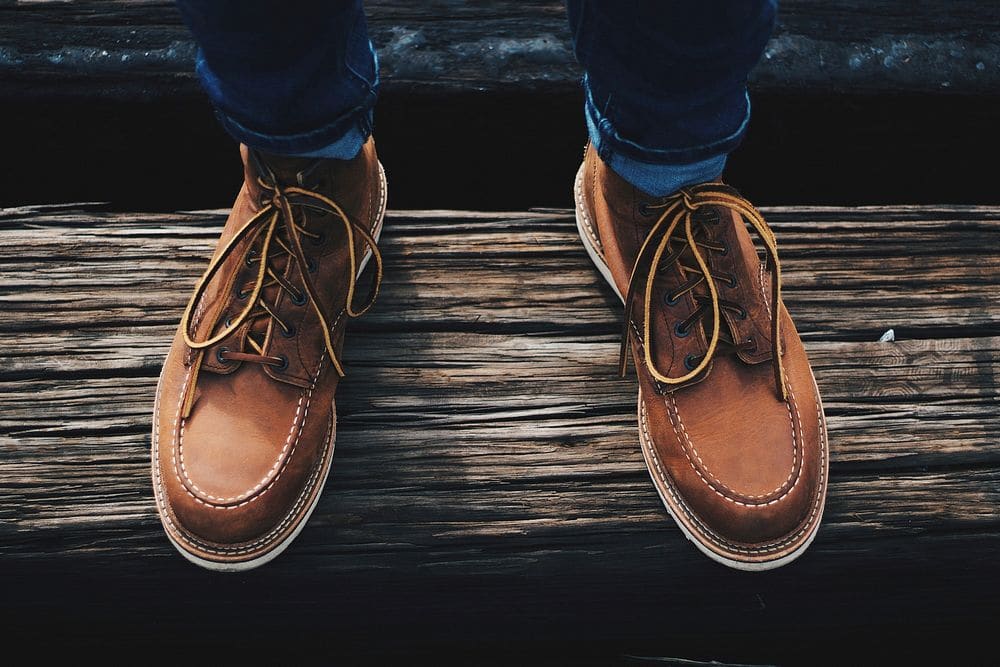
Your First Real Pair of Boots: Five Questions Before You Buy
Before you spend $160 or $370 on boots, answer five blunt questions about weather, wardrobe, sizing and upkeep, and the right pair picks itself.
Marcus Hale 6 min
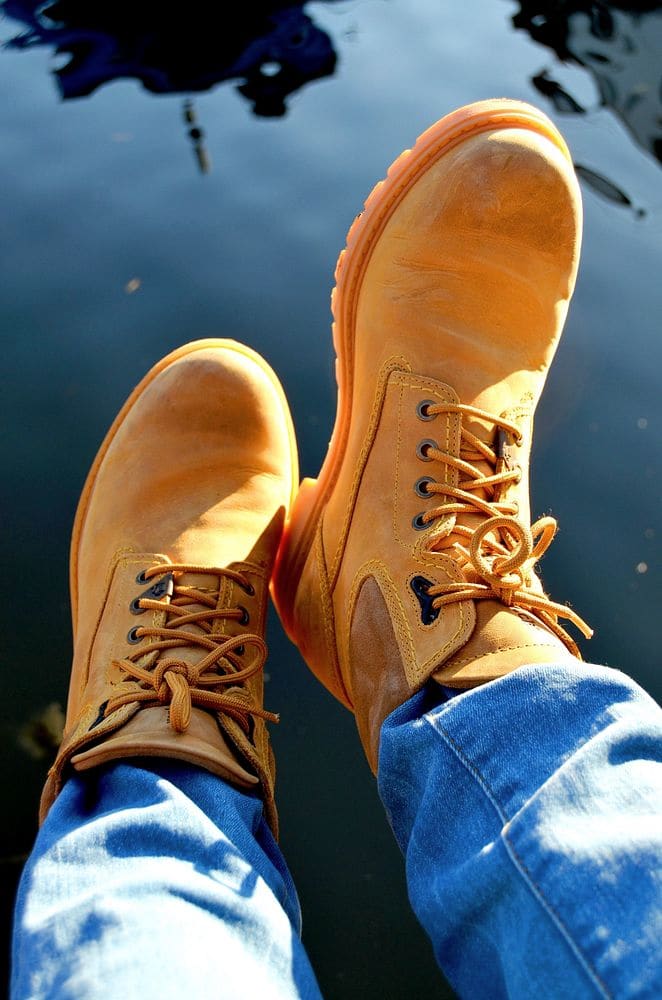
Breaking In Stiff Shoes Without Wrecking Your Feet
Stiff leather softens on a schedule. Short wears, the right socks and a little patience beat every freezer, hair-dryer and wet-sock trick you've been told about.
Marcus Hale 5 min
When to Resole: Reading the Wear on Your Soles
Your soles keep a record of every mile. Learn to read it, and you'll resole at the right moment instead of paying to rebuild a ruined shoe.
Walt Brennan 8 min