Stop 05 · Tailoring Buying Guide
Sport Coat or Blazer? The Difference Is in the Details
Buttons, cloth, and pockets separate a blazer from a sport coat, and knowing which is which tells you what to wear it with.
By Julian Okafor, Tailoring Editor
· 8 min read · 1,826 words
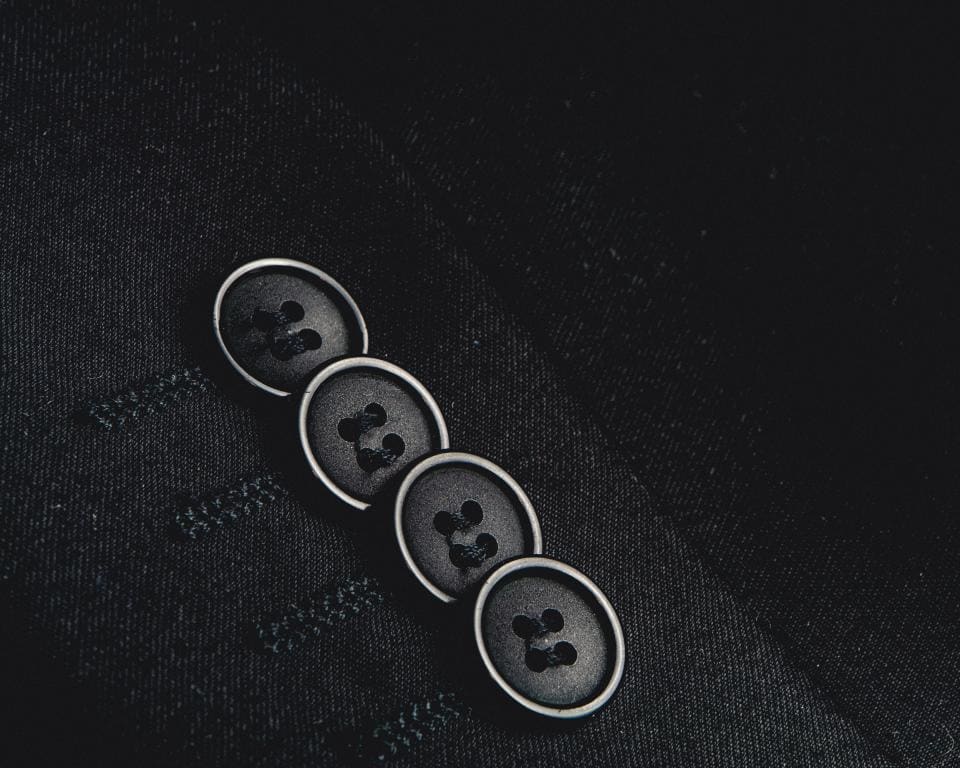
Lay the two jackets on your bed, side by side. On the left, a navy jacket in a smooth, slightly grainy cloth with gold-colored metal buttons. On the right, a brown herringbone in a cloth you can feel the texture of from across the room, with buttons that look like they were cut from an animal’s horn, because they were. Both are odd jackets, meaning you wear them without matching trousers. Only one of them is a blazer.
The short answer to sport coat vs blazer is this. A blazer is a solid-colored jacket, almost always navy, in a smooth or hopsack cloth with contrasting metal buttons. A sport coat is an odd jacket in a patterned or textured cloth, such as tweed, herringbone, or a check, with horn, leather, or plain buttons. Both are worn with odd trousers, and the blazer is the dressier of the two.
I called every odd jacket a blazer for most of my twenties, and the first week in the alterations shop cured me of it. The head cutter, a man who’d been pressing jackets since before I was born, held up a gray tweed I’d tagged as “blazer, sleeves -1/2” and simply turned it around so I could see the elbow patches. He didn’t need to say anything.
Count the buttons first
The quickest tell is the buttons. A blazer wears its buttons as a statement: brass, gilt, silver, or enamel, often with a crest or anchor stamped in, always contrasting with the cloth. They catch light. That’s their job. The tradition comes from naval and rowing-club jackets, and the metal buttons are the part of the uniform that survived into civilian clothes.
A sport coat’s buttons recede. Horn, corozo nut, leather-covered, or plain plastic in a color that matches or quietly complements the cloth. They’re there to close the jacket, not to be looked at, and that suits a cloth that already has plenty of pattern to look at.
If the buttons shine, it’s a blazer; if they look like they grew on something, it’s a sport coat.
The buttons can also be changed, which makes them the cheapest lever you have. A tailor will swap a set for $20 to $30 in labor, plus whatever the buttons cost. I’ve turned more than one plain navy hopsack jacket into a blazer with a set of brass buttons, and taken the brass off others to calm them down for a business casual office where gold buttons felt like a costume. A jacket in the right cloth can live either life.
The cut gives you a smaller clue. A double-breasted navy jacket with six brass buttons is unmistakably a blazer, and it’s the more formal version, best kept buttoned and worn with gray trousers. Single-breasted blazers, with two or three buttons, are far easier to wear and the ones I’d recommend. Sport coats are almost always single-breasted, and the three-roll-two front (three buttons with the lapel rolling past the top one) is a sport coat detail you’ll see on a lot of tweeds.
Sport coat vs blazer, detail by detail
Buttons are the headline, but there’s a whole set of smaller differences, and they tend to travel together.
| Detail | Blazer | Sport coat |
|---|---|---|
| Color | Solid, usually navy | Patterned or textured |
| Cloth | Serge, hopsack, flannel | Tweed, herringbone, checks |
| Weight | 9 to 11 oz | 10 to 16 oz |
| Buttons | Metal, contrasting | Horn, leather, matching |
| Pockets | Patch, sometimes flap | Patch or flap, sometimes ticket |
| Formality | Dressier | More casual |
Pockets deserve a word. Patch pockets, sewn on the outside like a shirt pocket, are the most casual style and appear on both. Flap pockets, the kind on most suits, are a step dressier. A ticket pocket (a small extra one above the right hip) is a country detail that shows up on sport coats and almost never on a blazer.
The weight row matters more than it looks. A classic navy blazer sits in the 9- to 11-ounce range, light enough for three seasons. A tweed sport coat runs from about 12 ounces for a soft Shetland to 16 for a hard, wiry island tweed, and that’s a winter jacket, full stop. I’ve put the full logic of suit fabric weights in its own piece, and the same numbers apply to odd jackets: buy by the season you’ll wear it in.
Cloth draws the real line
Strip away the buttons and the clearest difference is cloth. A blazer’s cloth is smooth enough to sit next to gray flannel or tan cotton trousers without fighting either. Serge is the traditional choice, a tight twill with a faint diagonal. Hopsack, a basket-like open weave, is the one I’d buy, because it breathes in summer, hides wrinkles, and has just enough texture to stop it looking like a suit jacket.
A sport coat’s cloth carries the outfit. Tweed, herringbone, houndstooth, windowpane, a muted glen check. These are cloths with their own color story, so the trousers under them need to be quiet. Gray flannel, olive or tan chinos, dark brown cords. Pair a busy tweed with busy trousers and you look like an upholstered chair.
Summer has its own sport coats, and they’re the ones men overlook. Linen, linen-and-wool blends, and open-weave cottons in tobacco, stone, or a washed-out blue will wrinkle by noon, and that’s fine, because a sport coat is allowed to look lived-in in a way a blazer isn’t. Keep them unlined or half-lined and around 8 to 9 ounces, and wear them with an open collar.
Blazers come in other colors too, and I’m less keen on them. Bottle green, burgundy, and camel blazers all exist, and each makes a stronger statement than navy and pairs with fewer trousers. If you love one, buy it as a second blazer. As a first, it’ll sit in the closet waiting for the right party.
This is also why you can wear a sport coat in more casual settings than a blazer. Its texture reads as countryside and weekend; a blazer’s smoothness and shine read as club and office. With a sport coat and an open collar you can walk into a bar on a Friday night and look exactly right, which is part of why I’d put one high on the list for first-date outfits that shouldn’t look like a job interview.
Your suit jacket isn’t a blazer
The most common mistake I see is a man wearing his navy suit jacket with khakis and calling it a blazer. It almost never works, and the reasons are visible. A suit jacket is cut from smooth worsted with a slight sheen that’s meant to match trousers of the same cloth. Next to cotton chinos, that sheen looks out of place. The buttons match the cloth, so there’s no blazer signal. And the pockets are almost always flapped and set in, the dressiest kind, which looks odd above casual trousers.
There’s a practical reason too. A suit jacket worn alone wears faster than its trousers, and after a year of solo duty the jacket will be visibly more faded and shiny at the elbows than the trousers it was cut with. You’ll have two halves of a suit that no longer match.
If your suit is in a matte, textured navy, such as a hopsack or a slightly fuzzy worsted, you can get away with it occasionally. Otherwise, buy the blazer.
Which odd jacket to buy first
For most men, the navy blazer comes first. It’s the dressier of the two and therefore the one that does more jobs: an office with a dress code, a wedding that says “smart casual,” a dinner where you aren’t sure. It goes with gray, tan, olive, and white trousers, and with nearly any shirt you own. In an office that’s moved away from suits, a blazer is the most useful thing you can hang behind your door.
Buy a sport coat first only if your life is genuinely casual, and you’d rather have one jacket that works with jeans than one that works at weddings. In that case, a mid-weight herringbone or a muted brown check at around 12 ounces is the one I’d choose.
Sport coats are also the best secondhand buy in tailoring. Tweed lasts decades, older jackets were often better made than new ones at the same price, and thrift and consignment racks are full of them at $40 to $120. The rules are the ones you’d use for a new jacket: shoulders that end at your shoulder bone, a length that covers your seat, and enough sleeve to shorten. Budget $25 to $45 to have the sleeves taken up and you’ll have a jacket that cost less than a pair of jeans.
This is how I’d dress each one in practice.
| Jacket | Trousers | Shirt | Shoes |
|---|---|---|---|
| Navy blazer | Gray flannel or tan chinos | White or blue oxford | Penny loafers or brown oxfords |
| Tweed sport coat | Dark cords or olive chinos | Oxford or flannel shirt | Brown suede chukkas or loafers |
| Check sport coat | Gray flannel or dark denim | Solid blue or white | Brown loafers or boots |
The shirt column is easy because the button-down collar works under all three. An oxford cloth button-down has enough body to stand up under a lapel, and its soft roll looks right with both jackets. Make sure the collar fits your neck, though. A collar that gaps an inch under a jacket lapel looks sloppier than no jacket at all, and measuring your neck size properly takes two minutes.
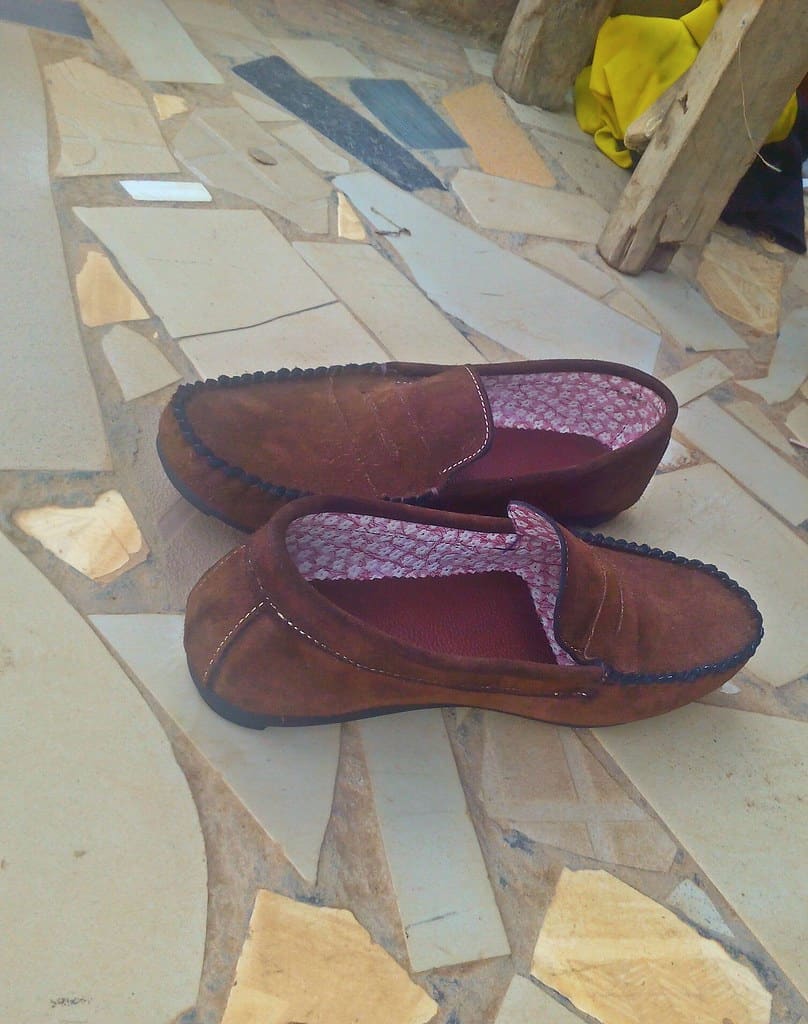
The shoes column has one constant, the penny loafer. The G.H. Bass Weejuns Larson Penny Loafer ($165) is the one I’d point you toward: a classic beefroll strap and leather sole, and it sits right with chinos, odd jackets, and summer suits alike. Two honest caveats. The polished leather creases hard at the flex point, so expect a deep line across the vamp within a few weeks of wear, and the last runs long enough that many buyers go down half a size from their usual. Try both sizes before you buy. Worn with a navy blazer and gray trousers, it’s the most reliable combination I know for a day when the dress code is unclear.
Fit applies to both jackets the way it applies to a suit. Shoulders first, then sleeves showing 1/4 to 1/2 inch of shirt cuff, then the waist. An odd jacket is often worn a touch more relaxed than a suit jacket, so leave a little extra room through the chest if you’ll wear a sweater under it in winter. Everything else about fit, from collars to hems, lives in our tailoring guides.
The verdict: Buy a navy hopsack blazer with metal buttons first, in 9 to 11 ounces, and wear it with gray flannel or tan chinos, a button-down, and penny loafers. Add a 12-ounce herringbone or brown check sport coat second, for the weekends and colder months, and never let your suit jacket fill in for either.
In this story
How we make money: some links below are affiliate links. If you buy through them, Via may earn a commission. It never changes the price you pay, and it never decides what we recommend. Full disclosure.
Mid · $100–$299
G.H. Bass Weejuns Larson Penny Loafer
The classic penny loafer with a beefroll strap and leather sole; it works with chinos, odd jackets, and summer suits.
Won't do: The polished leather can crease hard at the flex point, and the last runs long enough that many buyers go down half a size.
Next stops
All Tailoring guides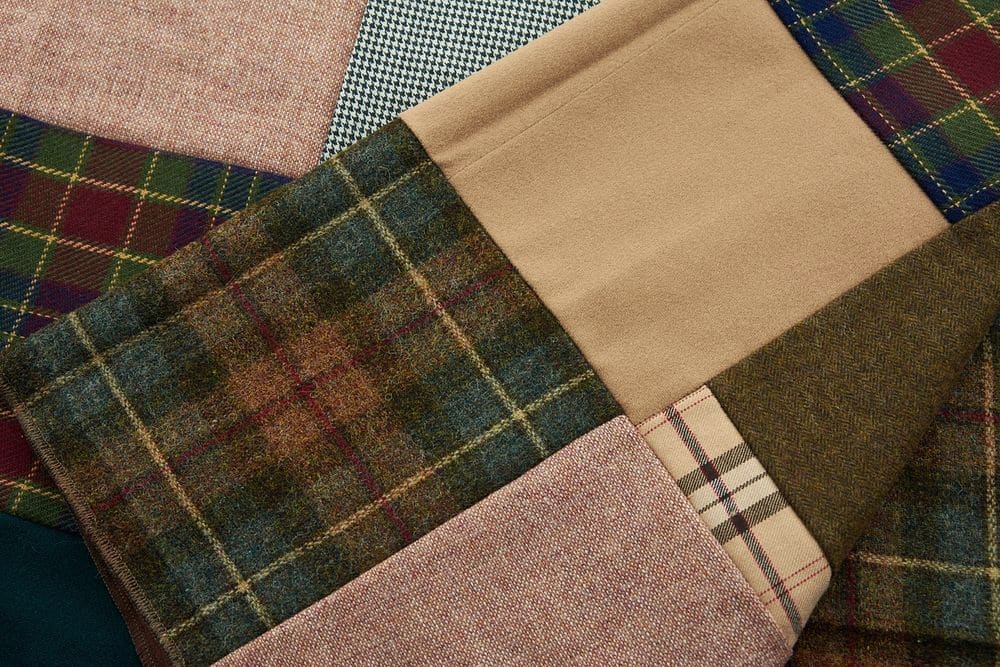
Suit Fabric Weights: Ounces, Seasons, and Wrinkles
The weight of the cloth decides when you can wear a suit, how it hangs, and whether it looks slept-in by lunch, so learn the numbers before you shop.
Julian Okafor 7 min
Dress Shirt Collars: Measuring Your Neck the Right Way
A collar that fits at 9 a.m. should still fit at 3 p.m., and getting there takes a soft tape, half an inch of arithmetic, and one finger.
Julian Okafor 7 min

Business Casual Without the Khaki Default
Two pairs of shoes, trousers in any color but tan, and a top half that does the rest: a business casual week that doesn't look like everyone else's.
Sam Whitaker 5 min